Are total fire bans in the Red Centre a normal occurrence in the 2026 Summer? In a nutshell, yes, they are super common – and if you’re planning a trip to the Northern Territory during that time, you should probably assume there’s a Total Fire Ban in place the minute you arrive. Summer in the Centre is nothing but heat, and that heat, combined with dry spells and lightning storms, makes the whole place a fire waiting to happen. And when I say heat, I mean seriously, life-threatening heat.
I’m Paul Beames, and after decades driving through dusty outback roads and getting caught out by fire bans, I can tell you that it’s a real don’t-think-it-wont-happen situation. People get caught out because they assume that the fire restrictions will be relaxed – they’re not. Whether you’re self-driving or on a guided tour of the North Territory, knowing the drill with fire bans is as important as knowing where the next fuel stop is – maybe more so.
Contents
- 1 Why Summer Fire Risk Matters
- 2 Fire Restrictions in the Northern Territory
- 3 National Parks and Sacred Country
- 4 Fire Permits, Burning Off, and Not Expecting Favour
- 5 What Extreme Heat Really Changes Day-to-Day
- 6 Penalties, Emergency Warnings, and Why You Need To Listen
- 7 How I Travel in the Centre Without the Fire in Summer
- 8 Fire Readiness – It’s Everyone’s Responsibility
- 9 Why Summer Still Has Its Rewards
- 10 The Last Word: Planning Around Fire Bans
- 11 FAQ
Why Summer Fire Risk Matters
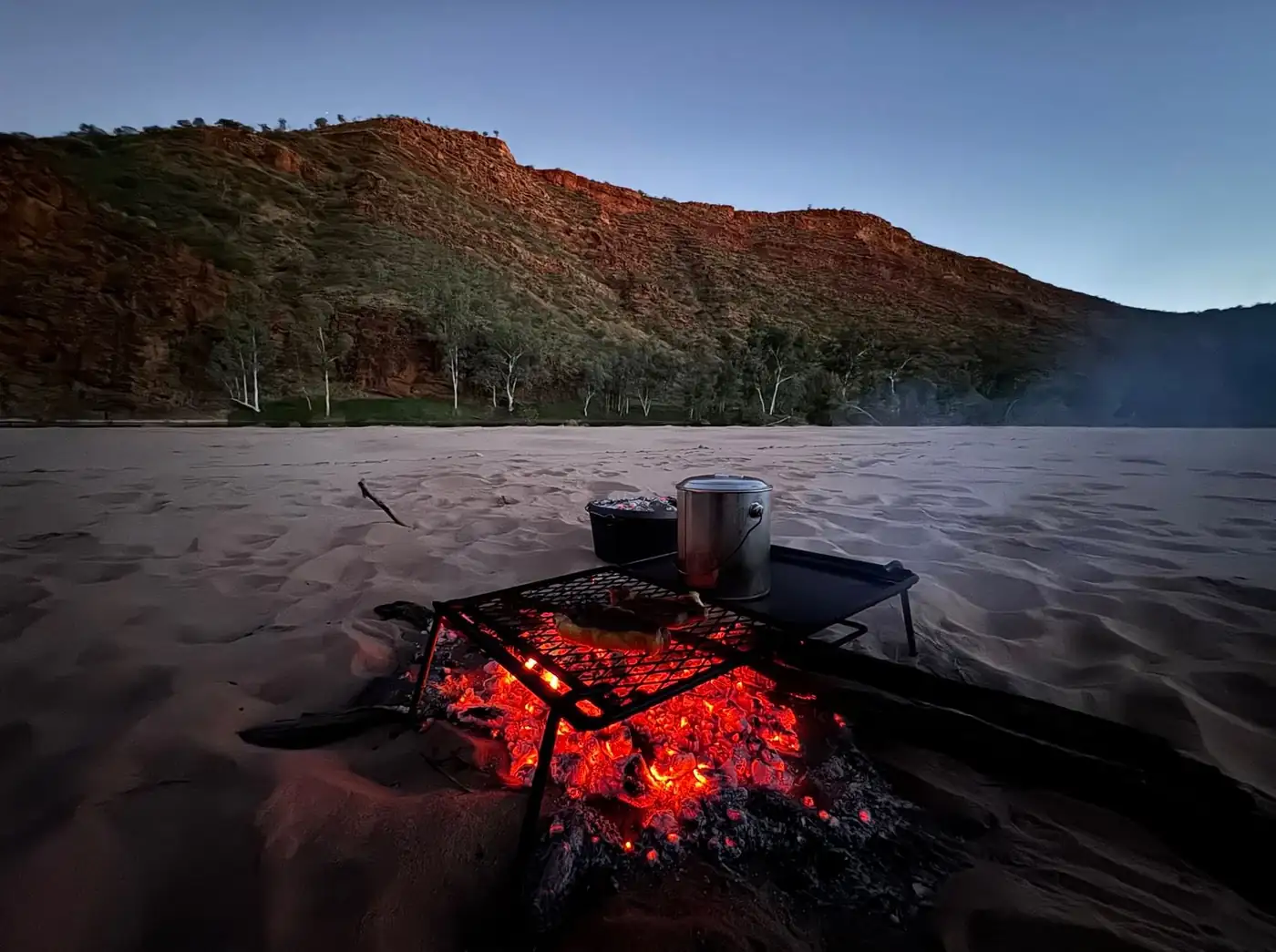
Summer in Central Australia is all about heat, and then there’s the scenery, which is second best to the heat, let’s be honest. Daytime temps regularly go over 40 degrees, nights stay warm as toast, and the grasslands dry out in no time – all of which makes it the perfect storm for fires. A single careless spark can burn for kilometres, and by the time anyone gets there to put it out, it’s out of control.
And you know what? The heat isn’t just a minor annoyance – it makes the situation a whole lot worse. We’ve seen some serious heat records broken recently in Central Australia, and that’s only made the fire situation more dire, prompting more frequent and longer-lasting fire bans. People on guided tours have a bit of an easier time adapting because the tour operators usually already assume that fire restrictions will be in place.
The minute the heat gets going and the fire danger starts building in Alice Springs, fire authorities spring into action. They slap on the Total Fire Bans ASAP, because if they don’t – and they have to wait for the situation to get worse before reacting – then their response times are too slow and their crews are stretched thin to the breaking point.
Fire Restrictions in the Northern Territory
It’s worth noting that in the Northern Territory, they handle fire restrictions slightly differently from the other states in Australia, like New South Wales, South Australia, and Victoria. They have a more regional approach to handling fire restrictions. So when a Total Fire Ban is in place, it can cover a huge area – thousands of square kilometres in one swoop.
In a nutshell, what it means is:
- No campfires allowed
- No solid-fuel cooking on the go
- No fire pits or burning rubbish – no way
- No flares or fireworks – not even for a laugh
Gas appliances might be allowed in some situations, but national parks often override that. And anyone joining a tour guide, like at Autopia Tours, usually gets a daily briefing to make sure they know the score and don’t get caught out.
National Parks and Sacred Country
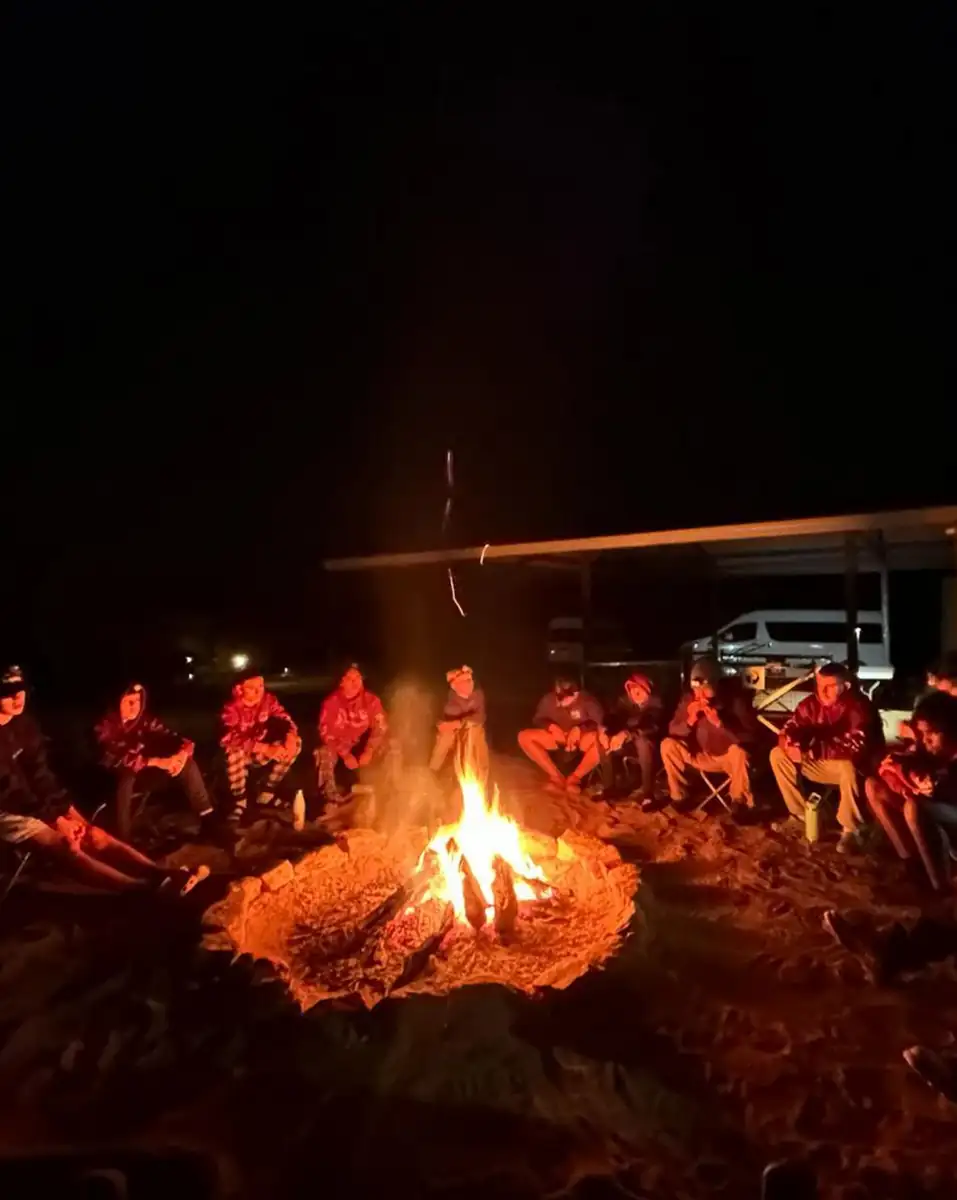
Fire restrictions really kick in when you hit national parks or Aboriginal land. Around Uluru and Kata Tjuta, summer is off-limits for fires, full stop, even if the regional ban says it’s okay otherwise.
Places like Ayers Rock Campground are living under pretty strict park rules to keep visitors and the country safe. Traditional Owners have always been super careful with fire, and those rules just reflect the wisdom they’ve gained over the years.
Tour operators like those running Wintjiri Wiru and evening visits to the Field of Light have fire management and emergency planning sorted – they’re a great reminder that even big tourism operations can adapt to the dangers of summer.
Fire Permits, Burning Off, and Not Expecting Favour
People often ask about getting a fire permit for cooking or keeping warm, but the answer in summer is generally no. Permits are for landowners managing bushfire risks, not visitors for a few days. Burning off often gets the thumbs down, too, especially during peak heat, and never during total fire bans. Even people used to permits in other states, like Fire Permits Victoria, are surprised by how firm the NT rules are. When a ban’s in place, you change your plans; it’s as simple as that.
This is another reason many people do guided tours of the Northern Territory – tour operators build itineraries that don’t rely on fires, so you don’t get left having to rustle up meals at dusk.
What Extreme Heat Really Changes Day-to-Day
If you haven’t been to Central Australia in the height of summer, let me put it straight: Shade is at a premium, water consumption goes up, and your car will be working its guts out. During those long heatwaves, fire risk becomes just one of many hazards to consider.
And then there’s the need to factor in:
- Flash flooding in the aftermath of storms
- Road closures on even sealed and unsealed roads
- Occasional delays because emergency services are running operations
When a storm hits, traffic can quickly turn into a nightmare on the roads near popular spots, even turning places that usually feel empty into traffic jams.
Penalties, Emergency Warnings, and Why You Need To Listen
Not only is lighting a fire during a ban a bit of a no-no, but it’s also actually illegal. If a fire gets away from you, the consequences are even worse. Authorities give emergency warnings on:
- The NT’s emergency alert systems
- ABC radio
- Ranger stations and visitor centres
People are supposed to take those warnings seriously and act on them straight away – ignoring them can delay help for others and put emergency responders at risk.
How I Travel in the Centre Without the Fire in Summer
Over the years, I’ve developed a pretty simple yet effective approach to travelling in central Australia during summer. Of course, the first step is to assume there are no campfires allowed – and then plan around that. When I’m leading groups – whether it’s a group from Autopia Tours or any other bunch of keen travellers – we always put efficiency and safety first, ditching the romantic idea of gathering round a campfire.
What I’ve found works pretty well:
- Getting pre-cooked meals from Alice Springs
- Only using gas cooking where it’s explicitly allowed
- Getting an early start and having a relatively early dinner, too
- Clearing campsites of any long grass
- And having a small fire extinguisher handy in every vehicle
I’m also a big fan of writing a basic fire plan, even when I’m just a visitor myself. Knowing where to go and who to contact if something changes can make all the difference, especially in your own backyard.
Fire Readiness – It’s Everyone’s Responsibility
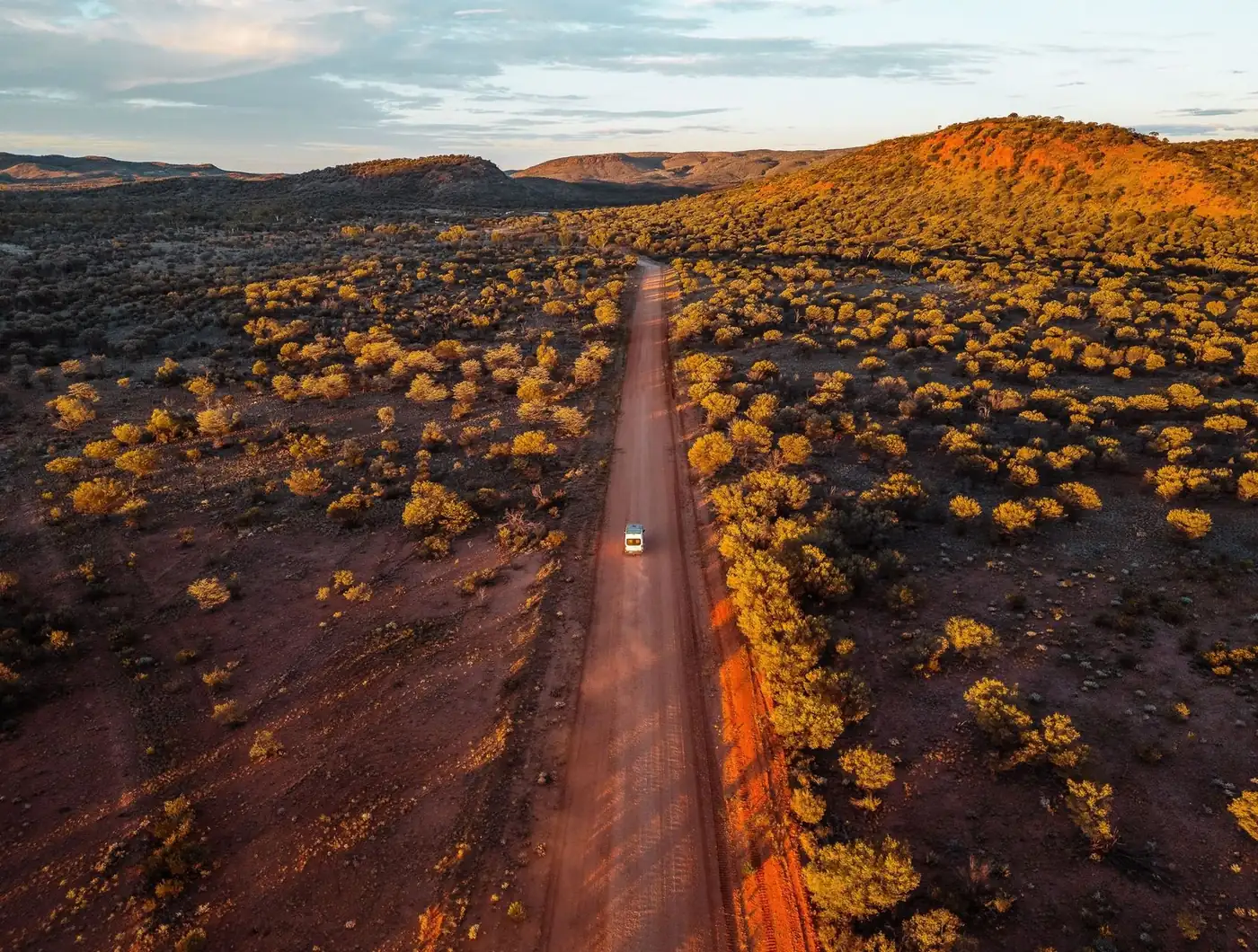
You don’t have to live in one of those super high-risk fire zones like Whittlesea, Mitchell Shire, or over in Mundaring to understand the bushfire risk. It’s pretty simple: avoid sparking, follow any restrictions, and respect any closed areas.
You only have to look at some of the events in Australia’s history – particularly what happened on Black Saturday – to see what happens when people just ignore the warnings. You don’t want to get caught out, let alone in the Red Centre.
Being fire ready is all about:
- Checking the fire ban status every single day
- Listening to the rangers and what they have to say
- And being flexible with your plans – no complaints!
This way of thinking is pretty standard in good northern territory tours, but independent travellers would do well to adopt it too.
Why Summer Still Has Its Rewards
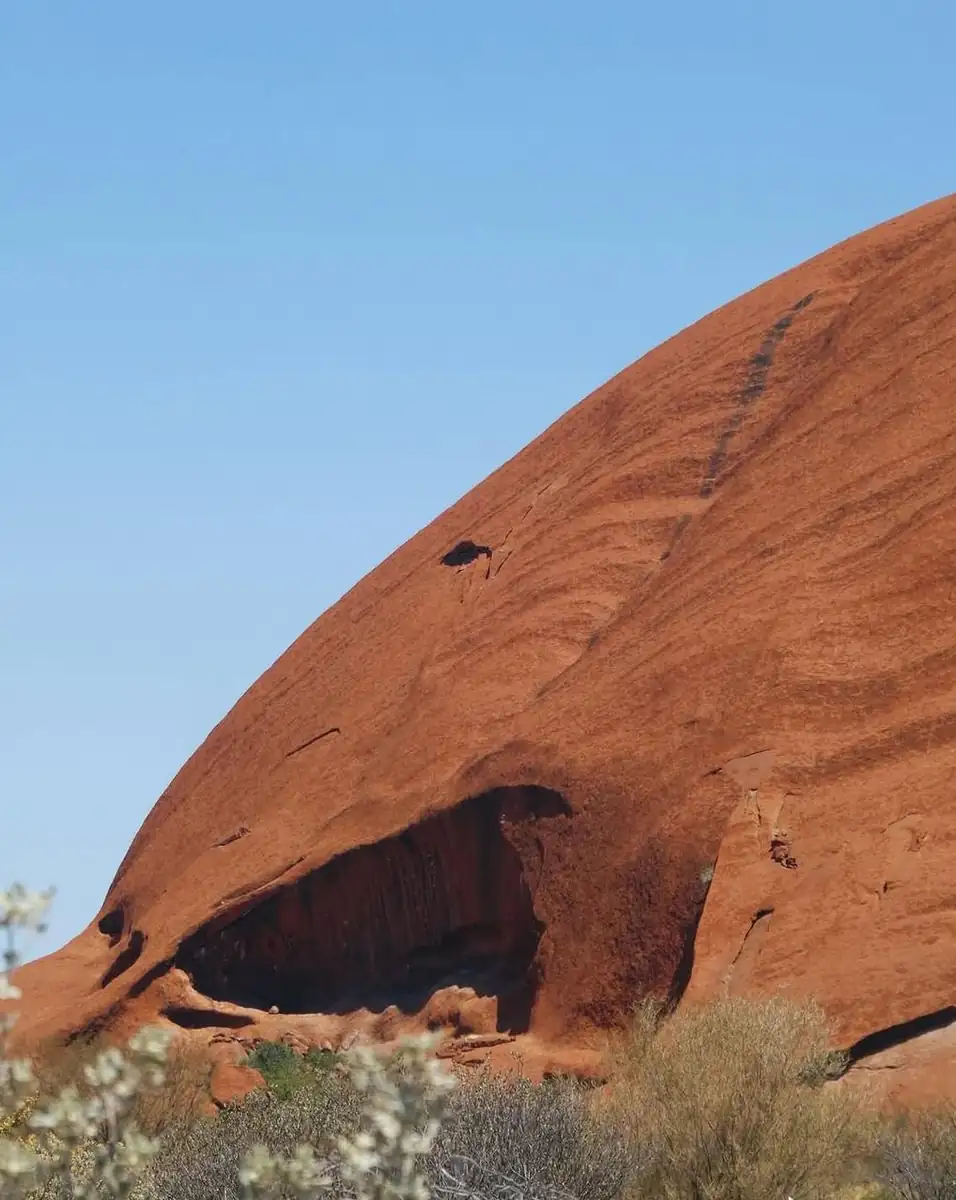
Alright, so summer might not be the most straightforward time to travel in the outback, but it’s far from all bad. For a start, the storms clear the skies and offer truly spectacular views, and the crowds thin out so you’re not fighting for a parking spot. And of course, the light at dawn and dusk is pretty unbeatable too.
Without a campfire, you don’t get to sit around the fire for hours swapping stories – but honestly, you’re probably too hot to be sitting still anyway. You’ll have loads of time to just chill out, stargaze and get an early night in. And while you might miss a fire or two, you’ll be far too busy chasing the next breeze or cool spot to even notice.
The Last Word: Planning Around Fire Bans
When you’re heading out to Central Australia in the middle of the summer, you can bet on a total fire ban being in place – so plan your trip with that in mind. Whether you’re driving around on your own or joining a tour, success boils down to being prepared and able to think on your feet, which are likely to be blistered and achy from the heat anyway.
Respect the heat, respect the rules and most importantly, respect the land. If you do, the Red Centre will still be able to blow you away with its rugged, honest and unforgettable experience.
If you’re still not sure how to put together a safe and doable itinerary for your trip, or you’d rather have some down-to-earth advice rather than just sales pitches, then give us a shout. That’s exactly what we do to help people take the guesswork out of travelling.
FAQ
How often do fire bans pop up in Central Australia during summer?
You can expect them to be a regular occurrence – particularly when you get into a really bad heatwave that just keeps going for weeks on end.
Can you still have campfires near Uluru, even in the middle of summer?
The answer is usually “no”. National park rules, as well as local caretakers, often ban fires altogether during the hottest months of the year.
Will gas barbecues be off-limits too?
Yes, they can be. Some parks even ban gas cooking when the conditions get really bad, so you’ll be cooking on a portable electric stove (if you’re lucky)
Do guided tours follow different fire rules?
No, they don’t. Any tour operator you book with will have to follow the same rules, but they’ll plan their trips around them to keep everyone safe.