The constant question “What is the healthiest skin care routine?” is one I get all the time at my Brisbane practice – usually from someone feeling totally overwhelmed by all the different active ingredients, SPF options and a bathroom cabinet that’s basically a mini cosmetic dermatology lab. When I meet with clients at The Facial Hub skin clinic, we discuss building healthy skin rather than chasing unattainable perfection. To me, healthy skin is skin that feels comfortable, is well hydrated, manages cell turnover naturally, and can handle Brisbane’s intense UV rays without breaking down.
As someone who’s been treating all sorts of complex skin problems for years – from your average acne to the early signs of aging – I can confidently say the healthiest routine is simple, really focused on building up a strong barrier and built on daily sun protection. And the good news is that literally anyone can achieve that.
Contents
- 1 Understanding What Your Skin Truly Needs
- 2 Why the Skin’s Defensive Layer Matters So Much
- 3 Essential Steps That Keep Skin Happy
- 4 A Gentle Start: Cleansing Without Stripping
- 5 Choosing Serums That Match Your Skin’s Priorities
- 6 Moisturisers That Work With You
- 7 Sun Protection: The Most Important Habit of All
- 8 2026 Data: Why Gentle Routines Outperform Harsh Ones
- 9 Tailoring Your Routine
- 10 Common Misconceptions
- 11 A Simple Morning and Night Routine to Try
- 12 Insights From Real Clients in Brisbane
- 13 Before You Begin Your Routine
- 14 FAQ
Understanding What Your Skin Truly Needs
A healthy skincare routine isn’t just about what products you use – it’s about how your skin is functioning. Your barrier is responsible for regulating things like hydration, inflammation, melanin production, collagen production and moisture levels – so if it gets knocked out of whack, the whole thing falls apart.
When clients come in looking red and angry from overuse of exfoliating products or alpha-hydroxy acids, we immediately take things down a notch. I’ve seen some remarkable turnarounds by restoring the barrier with gentler ingredients and occasionally supporting the process with skin barrier repair facials at The Facial Hub.
Healthy routines don’t stress out the skin – they support it.
Why the Skin’s Defensive Layer Matters So Much
Your barrier is made up of lipids, ceramides, and proteins that keep water in and irritants out. When working properly, ingredients such as vitamin C, hyaluronic acid, and peptide complexes absorb effectively. But when it’s struggling, even something as simple as an eye cream can cause burning or redness.
Some signs that your barrier needs help include:
- Tightness after cleansing
- Unexpected breakouts
- Irritation from active ingredients
- Flaky or shiny-but-dehydrated skin
- Increased sensitivity to sun protection
Barrier-first routines protect against setbacks and help support healthier cell turnover.
Essential Steps That Keep Skin Happy
Think of your routine like a treatment plan: cleanse, treat, hydrate, protect. Everything else – face masks, face oils, mineral-based makeup – is just a nice bonus.
As a dermal therapist trained in medical dermatology, I always start with these steps.
A Gentle Start: Cleansing Without Stripping
Cleansing is one of those skincare steps that just gets the job done without drawing any attention to itself. A good face wash isn’t about stripping your skin of all its natural oils; it’s about leaving it feeling soft and supple, not tight and dry. Brisbane’s humid climate can tempt people into over-cleansing, which is a sure-fire way to throw your skin’s moisture balance right out of whack.
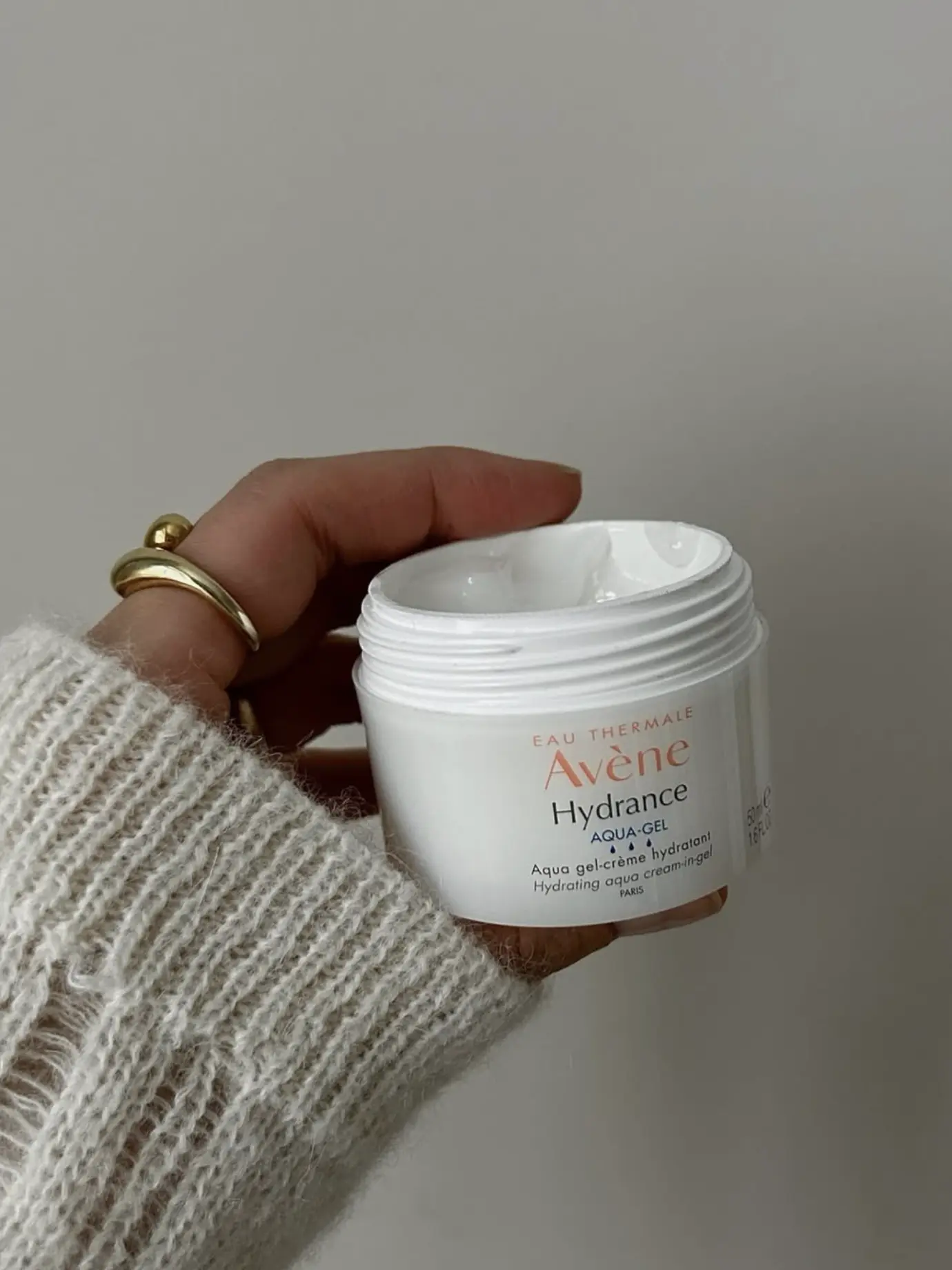
So, how do you choose a cleanser that’s right for your skin?
- Dry skin or sensitive types: Go with a moisturising cream
- Oily or combination skin: Gel formula all the way
- Makeup or SPF wearers: Most people find that double cleansing at night works a treat
Be wary of those aggressive face scrubs or daily chemical exfoliants – using them all the time does more harm than good when it comes to long-term skin health.
Choosing Serums That Match Your Skin’s Priorities
Serums are the powerhouse of the skincare world, delivering potent active ingredients that address specific issues such as pigmentation, fine lines, dullness, clogged pores, and dehydration. But be careful how you mix and match – if you use too many, you can end up overwhelming your skin.
Here are some of the ingredients I swear by:
- Vitamin C for antioxidant defence
- Hyaluronic acid for deep hydration
- Kojic acid for gentle brightening
- Peptide complexes for firmness
- Green tea extract for calming
- Growth factors for mature skin
People with darker skin tones need to be a bit more careful when introducing new actives into their routine – too much too soon can stimulate melanin production and leave you with uneven skin tone.
Serums are highly effective, but they only work as part of a well-rounded routine that includes a supporting barrier.
Moisturisers That Work With You
A good moisturiser is the unsung hero of your skincare routine, maintaining hydration and preventing irritation, especially when you’re using stronger products like retinol or alpha-hydroxy acids.
So, how do you choose the right moisturiser?
- Gel texture: perfect for oily or humid-weather skin
- Lotion texture: great for combination skin types
- Cream texture: dry skin or irritated skinactivities this kind of moisturiser
A good moisturiser acts as a daily buffer – it helps take the edge off everything else in your routine and leaves you with a smooth, calm complexion.
Sun Protection: The Most Important Habit of All
Okay, let’s face it – Brisbane’s sun is no joke. Preventing skin cancer, premature ageing, pigmentation and dryness is as simple as making daily SPF 30 (or higher) a habit. UV rays damage collagen and disrupt your skin’s natural repair processes faster than any other factor.
So, what are your sun protection options?
- Broad-spectrum sunscreen: don’t even think about using anything else
- Zinc oxide formulas: for a gentle finish that won’t irritate your skin
- Lightweight textures: they’re the kind of sunscreens you can actually wear without feeling like you’re clogging up your pores
Many of our clients find that pairing their home routine with a relaxing facial at The Facial Hub is the perfect way to calm skin that’s been battered by the sun in the summer months.
2026 Data: Why Gentle Routines Outperform Harsh Ones
Recent Australian skin health data shows that supportive routines deliver better long-term outcomes than aggressive ones.
| Routine Style | Hydration Increase | Redness Reduction | Barrier Recovery |
|---|---|---|---|
| Barrier-focused routine | +42% | 38% | Strong improvement |
| Active-heavy routine | +10% | 12% | Often weakened |
| Minimal routine | +22% | 28% | Moderate improvement |
Tailoring Your Routine
Your skin type is actually the key to tailoring your routine – not what’s on trend or in the latest batches of skincare products.
Dry or Dehydrated Skin
- Add hyaluronic acid under moisturiser
- Use creamy face wash formulas
- Avoid strong AHAs unless supervised
Oily or Congested Skin
- Gel cleansers help regulate oil
- Use chemical exfoliants no more than 1–2 times weekly
- Moisturise consistently to prevent rebound oil
Sensitive or Reactive Skin
- Avoid fragranced activities,
- Rely on ceramides and peptides
- Introduce exfoliants slowly
Ageing or Sun-Damaged Skin
- Vitamin C in the morning
- Retinol or peptide complexes at night
- Daily SPF30 for protection
When you do need a bit of extra TLC, skin rejuvenation treatments at The Facial Hub can really make a difference – strengthening and brightening your skin without stripping it of its natural barrier function.
Common Misconceptions
These old myths have caused more damage than the products themselves,—simple in all likelihood.
Myth 1: “More active ingredients mean better results.”
Newsflash: too many actives can overwhelm your skin barrier and slow progress.
Myth 2: “Face oils clog pores.”
Not true – many plant oils are actually perfect for supporting moisture balance in the skin.
Myth 3: “You must exfoliate daily.”
Nope, doing that just weakens the barrier and causes inflammation – be gentle with your skin and only exfoliate when it really needs it.
Myth 4: “Mineral SPF looks chalky.”
Old formula, old news – modern zinc oxide formulas are silky, sheer and won’t ruin your makeup look.
A Simple Morning and Night Routine to Try
Once you get the basics right, everything else just becomes plain sailing.
Morning
- Start the day with a gentle face wash.
- Antioxidant serum (think vitamin C or green tea extract) is a must – it’ll keep your skin protected and looking healthy all day long.
- Moisturise – don’t skip this step.
- And don’t forget your SPF – 30 or higher is a must.
Night
- Double cleanse if you need to – sometimes your skin just needs a bit more TLC.
- Treatment serum: choose one tailored to your skin concerns.
- Moisturise again – your skin needs it after a long day.
- If you’re feeling adventurous, throw in some retinol – but be gentle with your skin.
Consistency really is key to healthy skin – it’s not about constantly switching products, it’s about finding what works for you and sticking with it.
Insights From Real Clients in Brisbane
I once worked with a client who’d been overusing alpha-hydroxy acids daily, hoping to brighten their complexion. What happened instead was their skin barrier got completely out of whack. Next thing you know, I simplified their skincare routine and added some hyaluronic acid and a nice nourishing cream. Within 8 weeks, their hydration levels had doubled. That’s why I always recommend going for the best facials in Brisbane that focus on soothing and hydrating, rather than just stripping the skin raw.
Real skin just loves being treated gently.
Before You Begin Your Routine
Healthy skin doesn’t need all sorts of complicated products or routines – it just needs a bit of support, some hydration & a good, to burnactually to see some decent results from a new routine, solid sun protection routine. Keep it simple, be kind to your skin & the rest will sort itself out.
If you’re ever stuck on what your skin actually needs, just ask. A healthy routine really starts with getting some clarity – and sometimes you just need a bit of expert advice.
Got a question that I haven’t covered yet? Leave it below – I’m always updating my guides.
FAQ
How quickly will my skin start feeling more comfortable after adjusting my routine?
Most people notice improved hydration within a couple of weeks and clearer, calmer skin within four to eight weeks.
Do I really need to be using both vitamin C & peptides?
It’s not always necessary, but they work well together when used properly.
Is daily exfoliation a good idea?
No – using chemical exfoliants all the time can actually end up weakening your skin barrier. Most people get by just fine with a weekly exfoliation.
Is SPF 30 really good enough to get by in Brisbane?
Yes – as long as it is a broad-spectrum sunscreen & you slap it on thick enough. Reapply if you plan to spend extended time outdoors.
Can people with darker skin use retinol and acids?
Absolutely – but do introduce them slowly to the skin to avoid irritation and any issues with uneven melanin production.