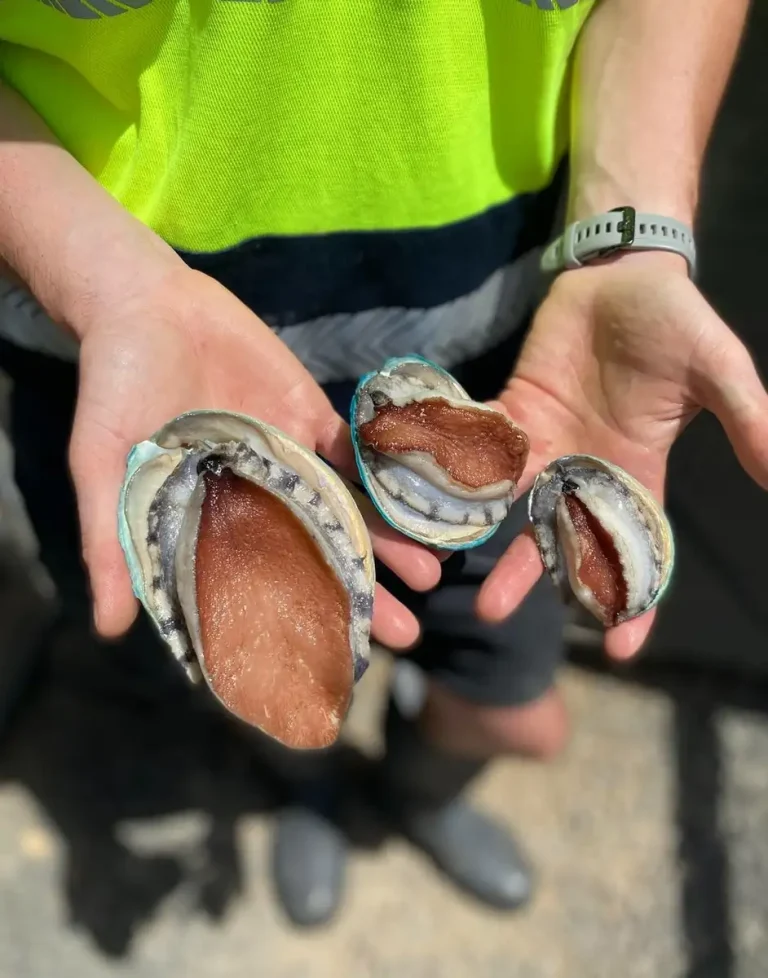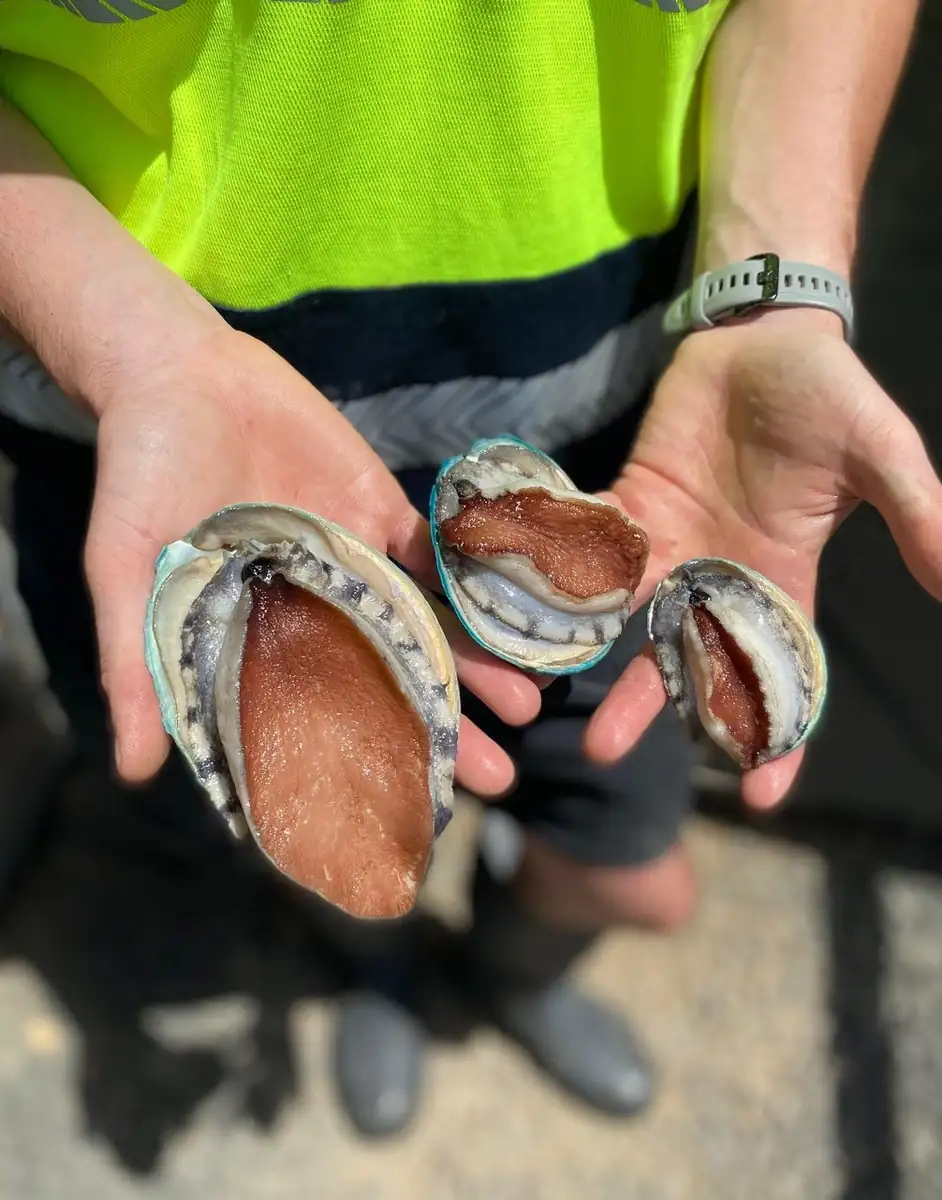
Where is the Abalone Farm tour located? You can find the most reliable and accessible tours around Port Fairy and Portland in southwestern Victoria, at the far western end of the Great Ocean Road. That’s about 300 – 320 kilometres from Melbourne, but the travel time is a lot longer than you might think – around 4 to 6 hours one way.
I’ve taken loads of groups through this bit of the Great Ocean Road, and the honest truth is: if you just treat this like another quick stop on a rushed day tour from Melbourne, you might as well be trying to visit the place while having a heart attack. Take your time, and you’ll find that it’s one of the most real, no frills food and aquaculture experiences in the country.
Contents
- 1 Why This Experience Stands Out
- 2 Getting There: A Bit More Detail Than Google Will Give You
- 3 What You’ll Actually Get Up To On The Farm
- 4 What Most People Get Wrong (And Regrettably Learn Too Late)
- 5 When To Go (And When To Give It A Miss)
- 6 What You’ll Actually Have To Shell Out For
- 7 Safety, Conditions and Things to Keep an Eye Out For
- 8 If You’ve Got Just One Day To Spare
- 9 Who This Is Really For
- 10 Do This Before You Set Off
- 11 Why This Industry Really Matters
- 12 Final Thoughts From Paul: Worth The Detour?
- 13 A Note on Content Quality
- 14 The Takeaway
- 15 FAQ
- 15.1 Do I need to book ahead if I want to visit an abalone farm near Port Fairy?
- 15.2 How long does an on-site tour actually take?
- 15.3 Can I include this in a standard Great Ocean Road tour?
- 15.4 Is the experience going to be physically demanding?
- 15.5 What’s the difference between farmed abalone and wild-caught?
Why This Experience Stands Out
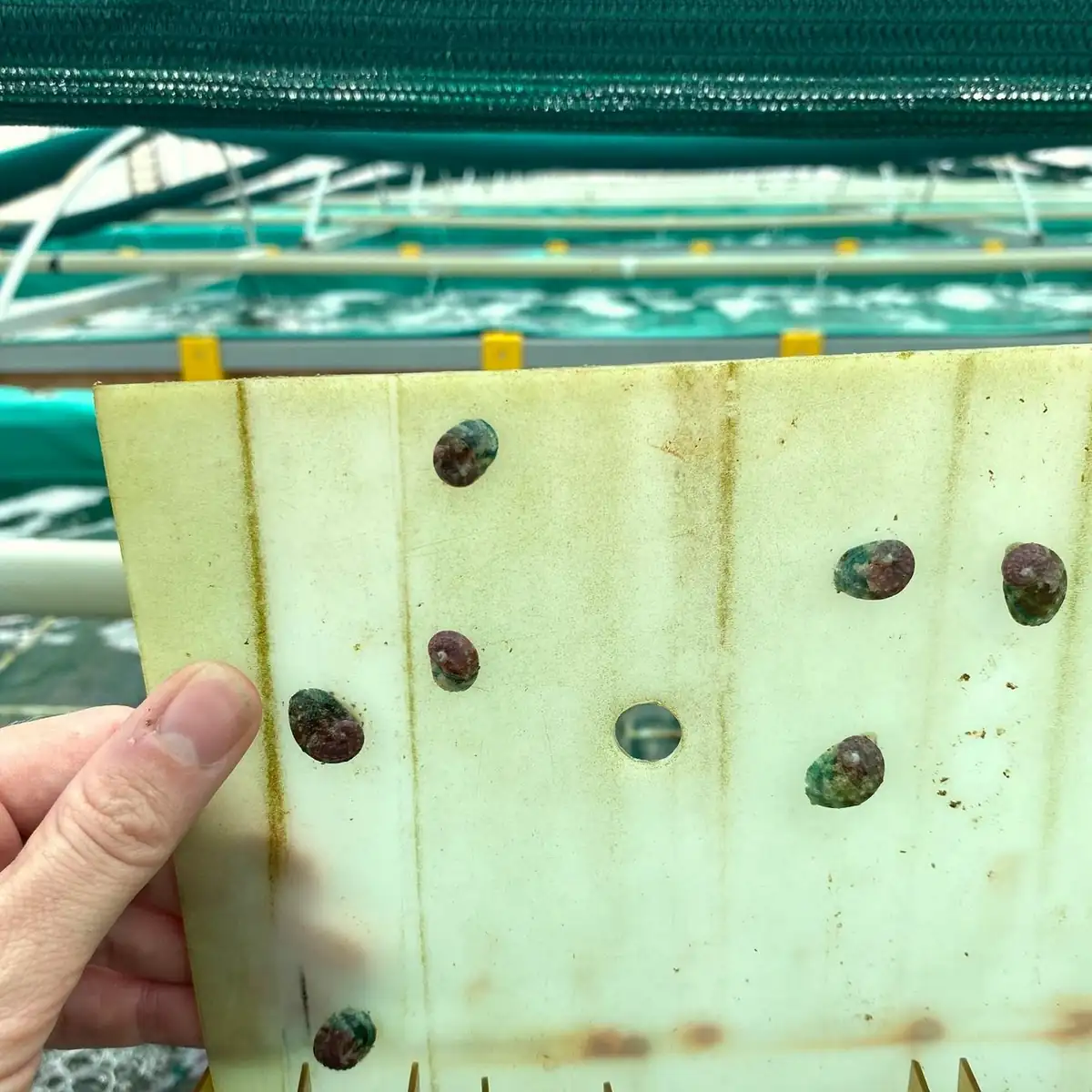
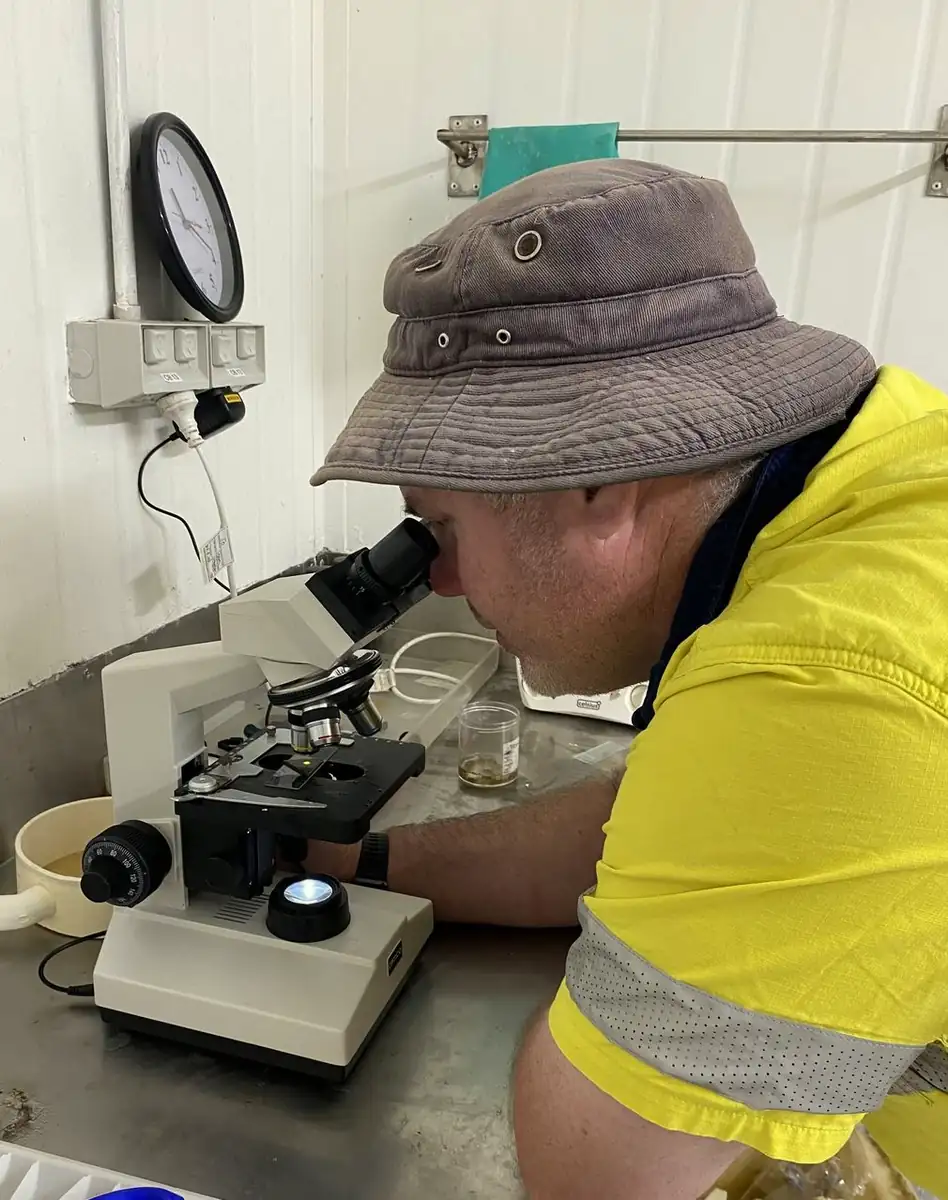
Most places you stop off at tend to be lookouts, beaches and cafes. Thats not the case here. An abalone farm is an actual working place – part marine science lab, part production line -, and it’s driven by precision, not trying to put on a good show.
The first time i walked into one near Port Fairy, i remember being hit with the smell of seawater and machinery instead of the usual salt and sand. The hum of the tanks, the water circulating, the aquaculture techs moving with purpose. No fluff, no pretence – just proper abalone farming.
And that’s why it’s stuck with me (and the other people whove been).
Getting There: A Bit More Detail Than Google Will Give You
On paper, the drive should be straightforward. In reality, it depends on how you travel.
Driving The Coast Yourself (The Long Way)
If you’re doing a great ocean road tour from Melbourne, get ready for:
- 4.5 to 6 hours one way ( not the 4 hours everyone keeps telling you )
- Slower bits past Lorne and Apollo Bay ( you’ll be stopping plenty, by the way – at viewpoints, wildlife and bakeries – don’t kid yourself)
- Constant stops – you’ll be getting out of the car, trust me
Doing this on a one-day trip is a bit of a haul, got to be honest. It becomes more about ticking boxes than actually enjoying the place.
Cutting Out The Slow Bits (If Time Is Tight)
If your main goal is to get to the abalone farm specifically:
- Take the Princes Highway inland to Warrnambool
- Then head to Port Fairy ( about 30 more minutes down the road )
- And hey presto – that cuts your drive time down to about 4 to 4.5 hours, and you get to skip the slow coastal bits.
Tours That Actually Work
Most great ocean road tours don’t go far enough west. They turn around too early. If you want to visit the abalone farm:
- Look for the extended or private tours
- Ask the tour operators directly – they won’t include it by default, so don’t assume
What You’ll Actually Get Up To On The Farm
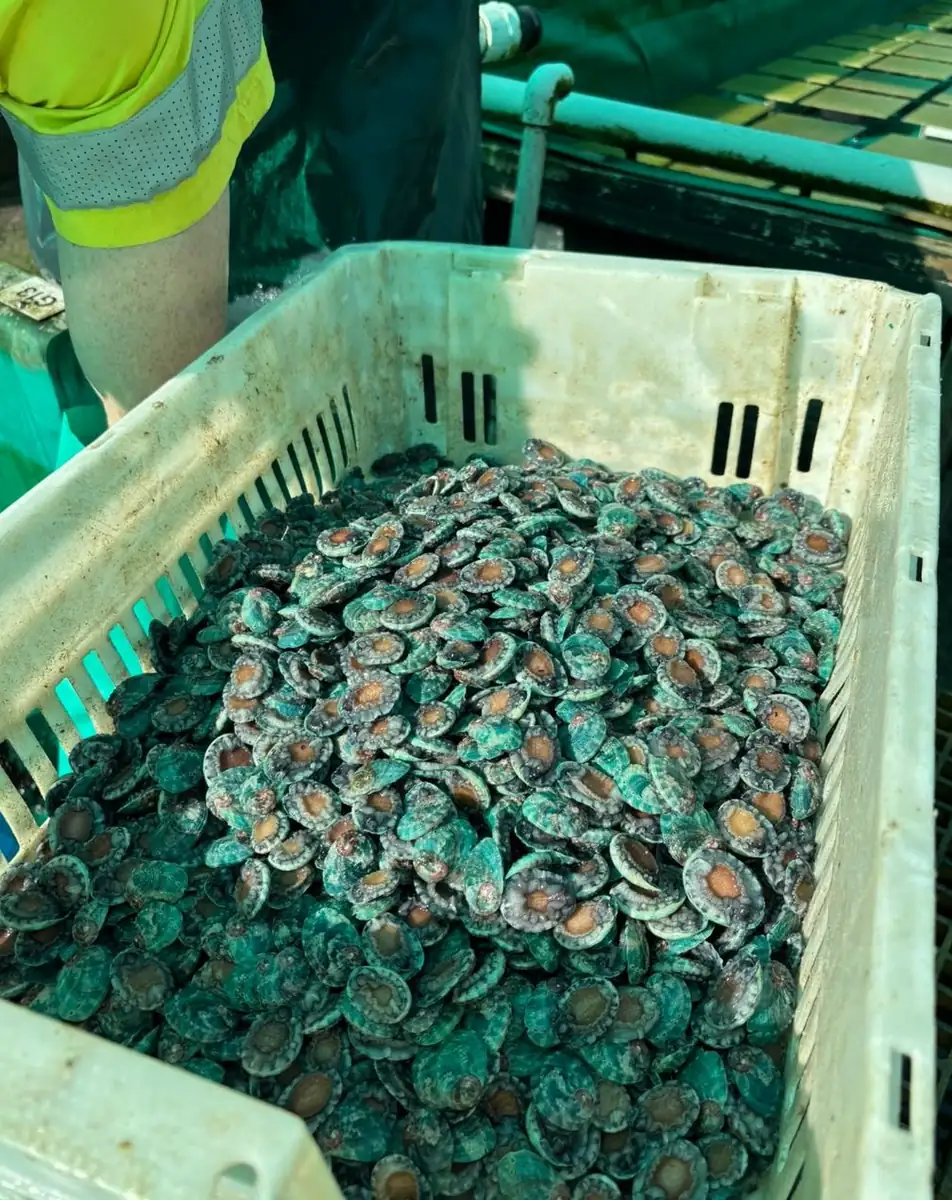
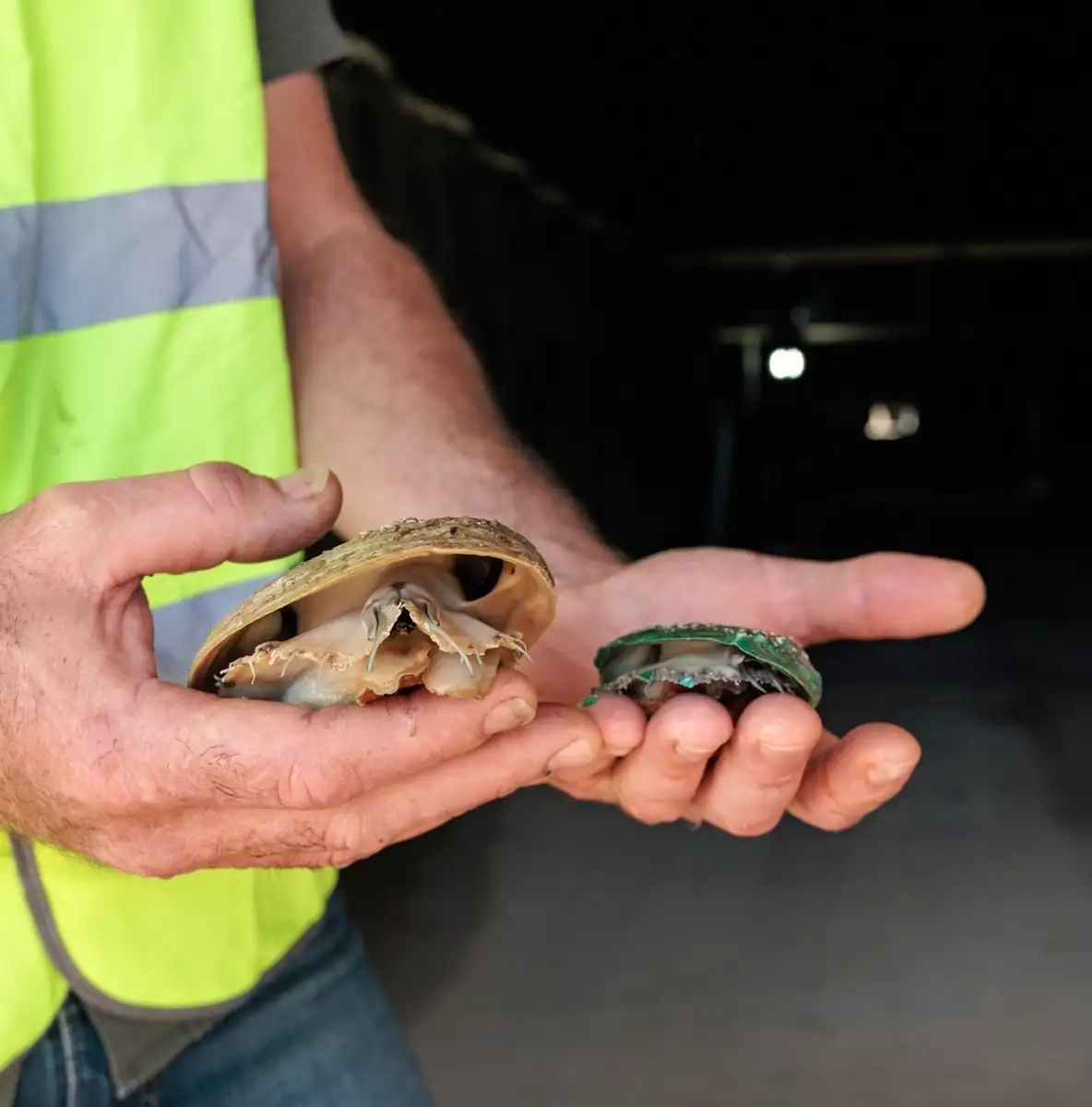
Ditch the idea of wandering around with a tasting plate in hand. This is a structured, guided tour with a fair bit of technical stuff. You’ll get to see the full abalone farming process – from breeding to packing, and it’s a lot more in-depth than most people expect.
Inside The Operation
| Stage | What You’ll See | Why It Matters |
|---|---|---|
| Abalone breeding | Early lifecycle stages | Shows how slow and controlled it is |
| Juvenile tanks | Small abalone growing | Precision conditions |
| Grow-out sheds | Larger abalone in tanks | Main production phase |
| Feeding systems | Seaweed-based diets | Controlled nutrition |
| Packing facility | Sorting & vacuum-packed abalone | Export-ready product |
You can bet people get caught by how carefully engineered the whole experience is. No ocean pens to wade through, no meandering about. Everything is in a controlled environment, with water temperature, flow, and quality constantly monitored.
What Most People Get Wrong (And Regrettably Learn Too Late)
After all these years of running tours along the Great Ocean Road, the same mistakes are still being made again and again.
The worst one? Treating it like just another drop-in destination.
People assume it’s like popping into an oyster farm or wine cellar – just turn up, have a taste, and bugger off. But that’s not how it works at all.
Expectations vs Reality
Expectation: A 30-minute pitstop
Reality: Set aside at least an hour and a half, plus check-in time
Expectation: Just roll up and go in
Reality: Often need to book in advance
Expectation: Food, food and more food
Reality: It’s all about the process, not just the taste-testing
A group I was leading up got stung when they turned up from Melbourne without booking after a long day’s driving – the gates were closed, the staff had buggered off, and no backup plan was in the offing. Not exactly the way I’d have wanted to end the day.
When To Go (And When To Give It A Miss)
Seasons have a lot more to do with this sort of thing than most people figure – it’s not just about being comfortable, it’s about whether the whole experience is even going to work.
Best Times To Go
Spring to early autumn (September to April):
- The wind is a lot calmer
- The tour schedules are more reliable
- Driving conditions are a lot easier
Winter In Reality
- The coastal winds are so strong that they can knock you off your feet
- There are a lot fewer options available
- Daylight hours are shorter
I’ve run the tour in July – sideways rain, rough seas and a lot of cold faces all day. It was doable, but that’s about it.
What You’ll Actually Have To Shell Out For
It’s not an expensive thing to do, but if you include the cost of the trip itself, then things can start to add up.
| Expense | Typical Cost (AUD) |
|---|---|
| Abalone farm tour | $20–$40 |
| Fuel (return trip) | $80–$120 |
| Accommodation | $150–$300 per night |
| Meals (incl. seafood dinner) | $30–$80 |
| Coffee stops (and you’ll have a few) | $5–$15 each |
If you’re turning this into a proper overnight trip, the value really starts to add up.
Safety, Conditions and Things to Keep an Eye Out For
Not a high-risk environment or anything, but you should still be aware of some hazards around.
Inside the farm, the main things to watch out for are :
- Wet floors, which can be slippery, so be careful.
- You’ll need to wear closed-toe shoes as an absolute minimum
Outside expect:
- Strong coastal winds are building up – be ready for that.
- Sudden changes in the weather can be a problem.
- Driving a fair distance can take a toll on you, especially on the long stretches of road.
If you’re out doing some fishing or exploring the coastline, you need to treat the ocean with a bit of respect. Rogue waves are real, and this coast isn’t the place to test your luck.
If You’ve Got Just One Day To Spare
Trying to pack this place into the full Great Ocean Road day tour from Melbourne is a pretty ambitious plan, if you ask me.
The Reality Check
If you only have one day, don’t be silly, skip the full coastal loop and instead take a drive inland to Warrnambool. Visit Port Fairy and the farm, and either spend the night there or be prepared for a long drive back. Trying to cram it all in with a packed coastal itinerary is just wasting your time.
You’ll spend more time stuck in the car than actually enjoying anything.
Who This Is Really For
This place isn’t for everyone, and that’s perfectly okay with me.
You’ll Get the Most Out of This If
- You’re actually interested in how food gets produced, not just what you see in the supermarket.
- You’re into marine science or aquaculture – there’s plenty to learn.
- You’re not in a rush and can travel at a leisurely pace.
- You’re looking to get off the beaten track and explore beyond the standard Great Ocean Road trip.
Probably Not For You If
- You just want quick, easy things to do and be entertained.
- You’re bringing the kids along, expecting a show.
- You’re on a super tight schedule.
- You just want to pop in and take some snaps for Instagram.
Do This Before You Set Off
- Make sure you book your tour in advance
- Confirm the exact location and your arrival time
- Get some fuel before you get to Warrnambool
- Grab a map ( signal can drop out, so don’t be surprised if your phone goes dead)
- Bring a jacket even in the middle of summer.
That’s it, simple stuff, but it’ll save you a whole lot of headaches.
Why This Industry Really Matters
Australia’s got some of the top-grade abalone in the world, and there’s a lot of demand from overseas markets.
The fact that we’ve got a local abalone farming industry is a really good thing – it helps protect wild populations and prevent overfishing. They do this by using controlled environments and sustainable practices.
Some of the key things you’ll learn on the tour are:
- The water temperature stays pretty stable on the farm.
- The growth cycle is really long, years even.
- They carefully manage the feeding and water quality.
- It’s not the most exciting process, but that’s what it takes to produce top-quality abalone.
Final Thoughts From Paul: Worth The Detour?
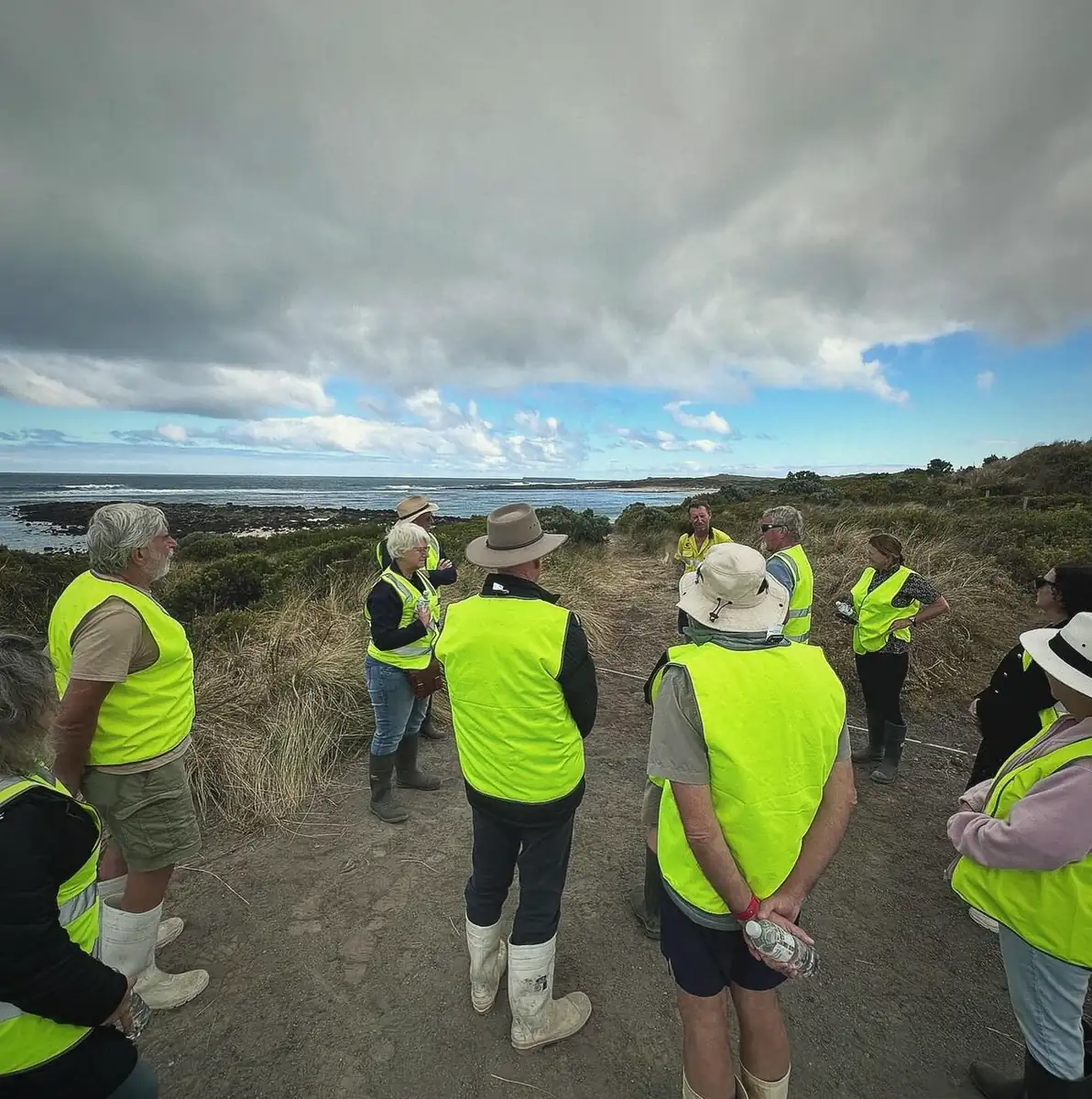
Yeah, it’s worth it – but only if you approach it with some level of respect for what it is.
If you try to cram it in as part of a crazy packed Great Ocean Road trip from Melbourne, it’s just going to feel like a chore. But if you build it into a more relaxed itinerary, give it time, and approach it with a curious mindset, it becomes one of the absolute highlights of your time on the coast.
We often sneak in experiences like this for travellers who want something a bit more real – not just the usual tourist traps – and it’s always these behind-the-scenes visits that people go on about later.
A Note on Content Quality
This guide is built on real-life travel experiences, down-to-earth practical logistics, and first-hand insights – it’s all about putting people first and sticking to our content quality standards.
The Takeaway
If you’re wondering where the Abalone Farm tour is, it’s a bit off the beaten path, near Port Fairy, close to the Great Ocean Road, where the action really happens.
Get your timing right and take your time, and you’ll leave with more than just a “stop” – you’ll actually have a real sense of how this coastline works.
FAQ
Do I need to book ahead if I want to visit an abalone farm near Port Fairy?
Yeah, you do. Most farms are pretty busy, so advance bookings are usually essential due to limited capacity and controlled access.
How long does an on-site tour actually take?
About an hour and a half to 90 minutes – depends on the tour and the size of your group.
Can I include this in a standard Great Ocean Road tour?
In all honesty, most tours don’t go far enough west unless you’ve arranged something special.
Is the experience going to be physically demanding?
Not really, but be warned – you’ll be walking through working areas with wet surfaces, so make sure you’ve got the right shoes on.
What’s the difference between farmed abalone and wild-caught?
Farmed abalone is grown in controlled conditions, which makes it consistent and helps support sustainable supply chains.