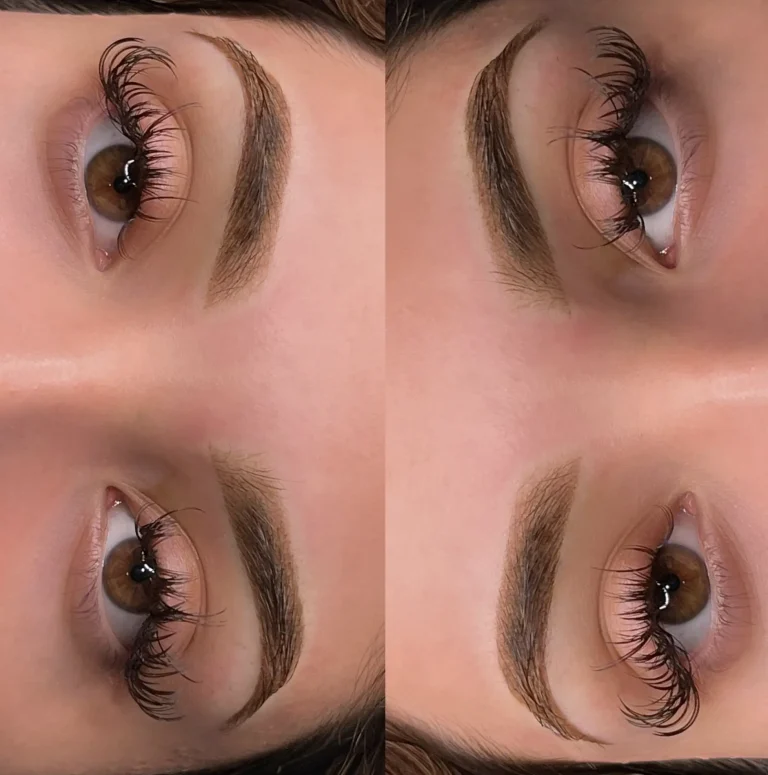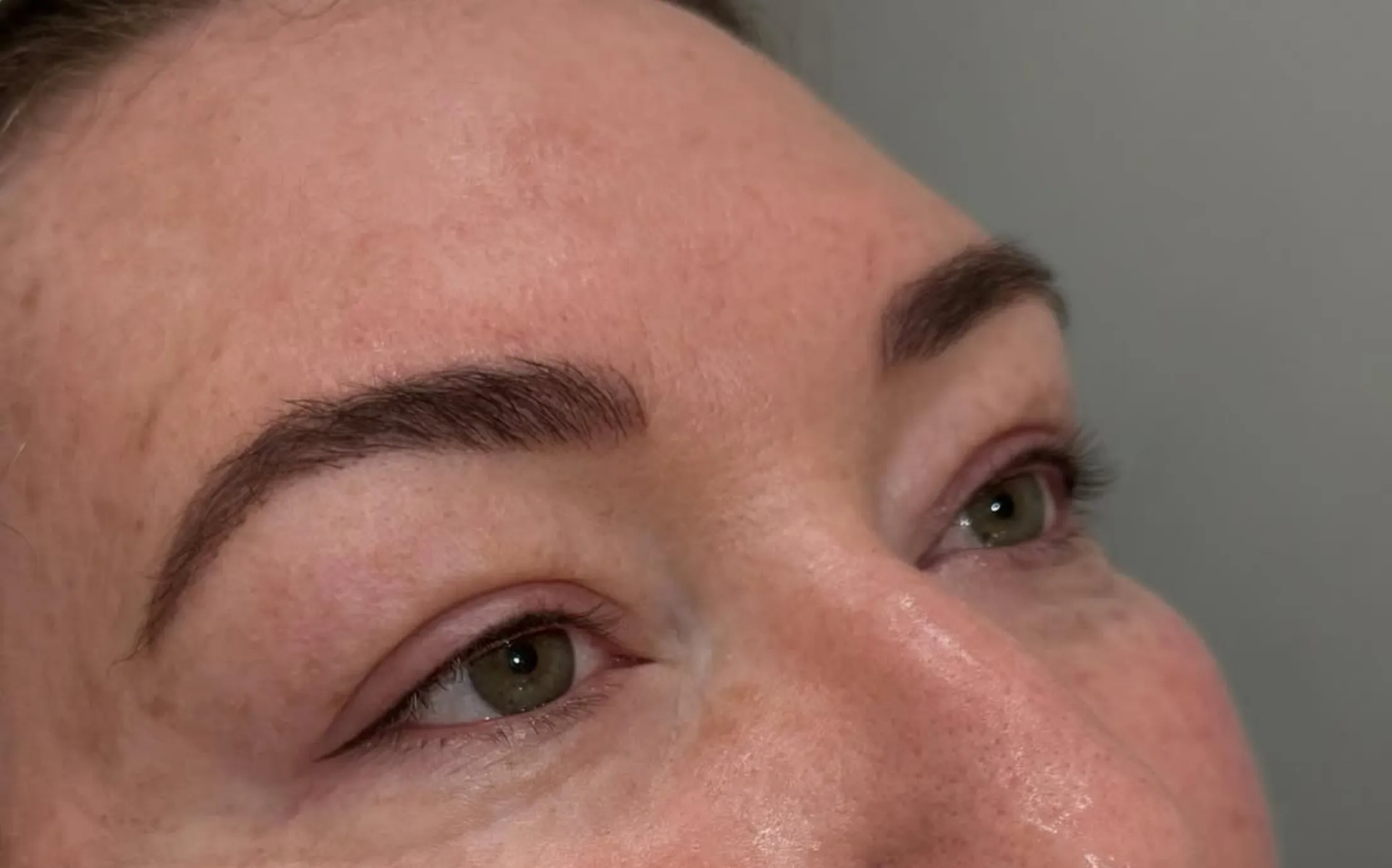
So you’ve spent more time than you care to admit watching flawless brow transformations on Instagram, you know the difference between microblading and machine shading (mostly), and you’re ready to swap your 9-to-5 for a career that’s hands-on, creative and actually rewarding. Sound familiar?
Well you’re in the right place. In this guide on how to become a cosmetic tattooist in Australia we’ll cut through the industry jargon, share real advice from the treatment room and walk you through everything from training requirements to licensing, tools of the trade and where your career can take you. No fluff, no over-promises — just honest insights from someone who’s been there.
Contents
Not Just Pretty Brows
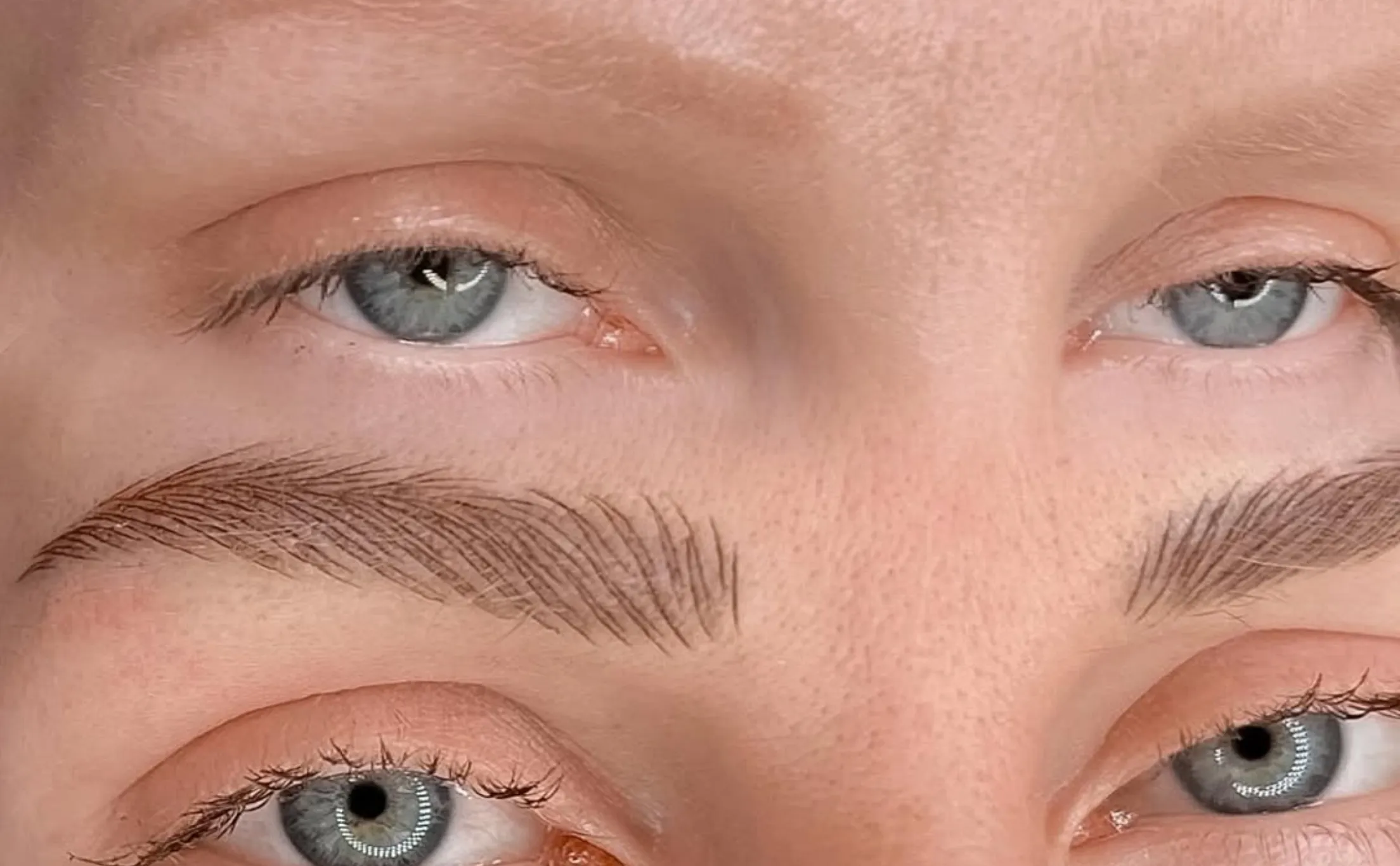
Before we get into the nitty gritty of how to become one, let’s talk about what a cosmetic tattooist actually does — and more importantly, what they don’t do.
You’re not just drawing brows all day. A qualified cosmetic tattoo artist works with real faces, real skin types and real life concerns. Your job is equal parts technical skill, colour theory, skin anatomy and client psychology.
Common services include:
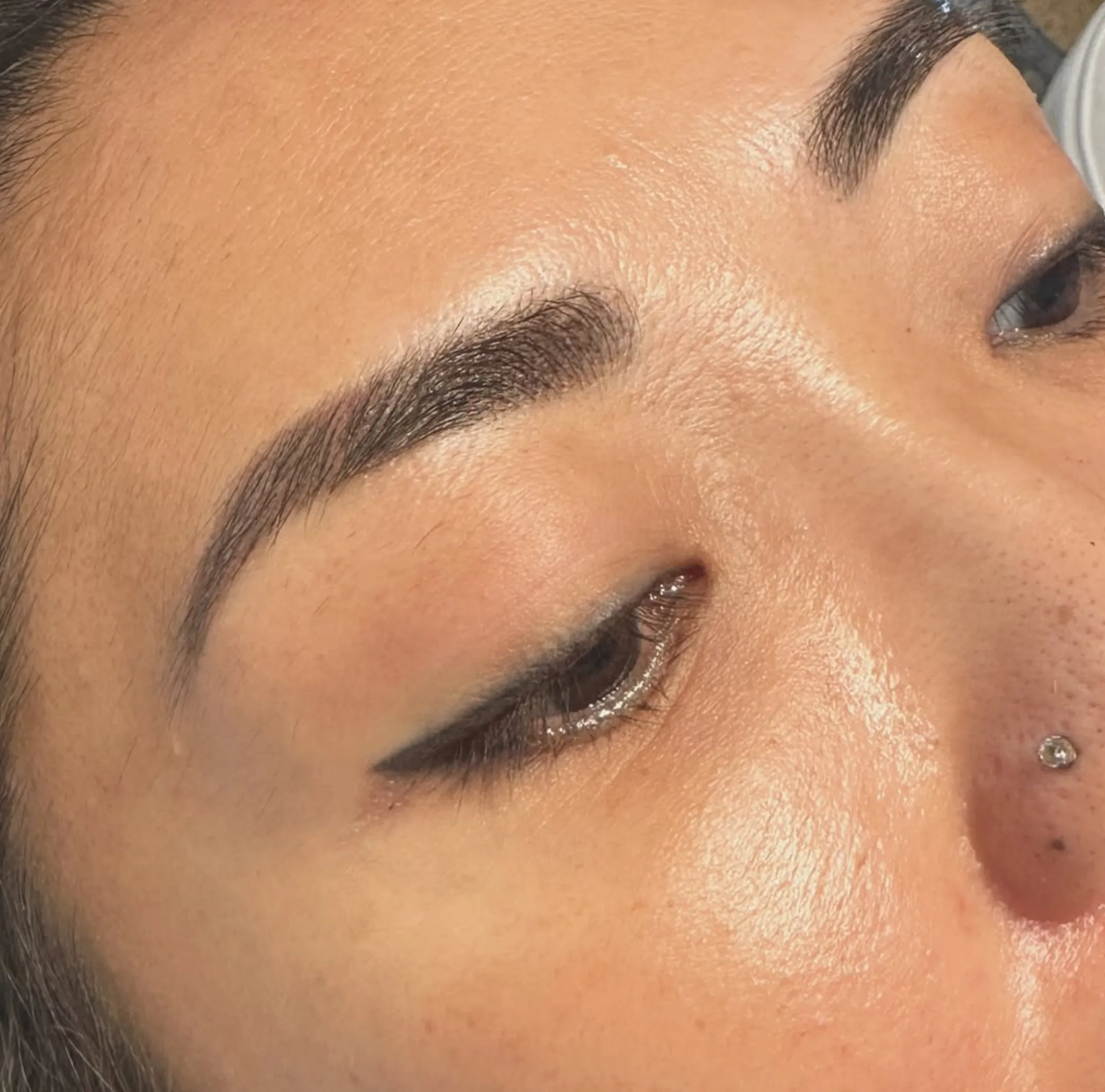
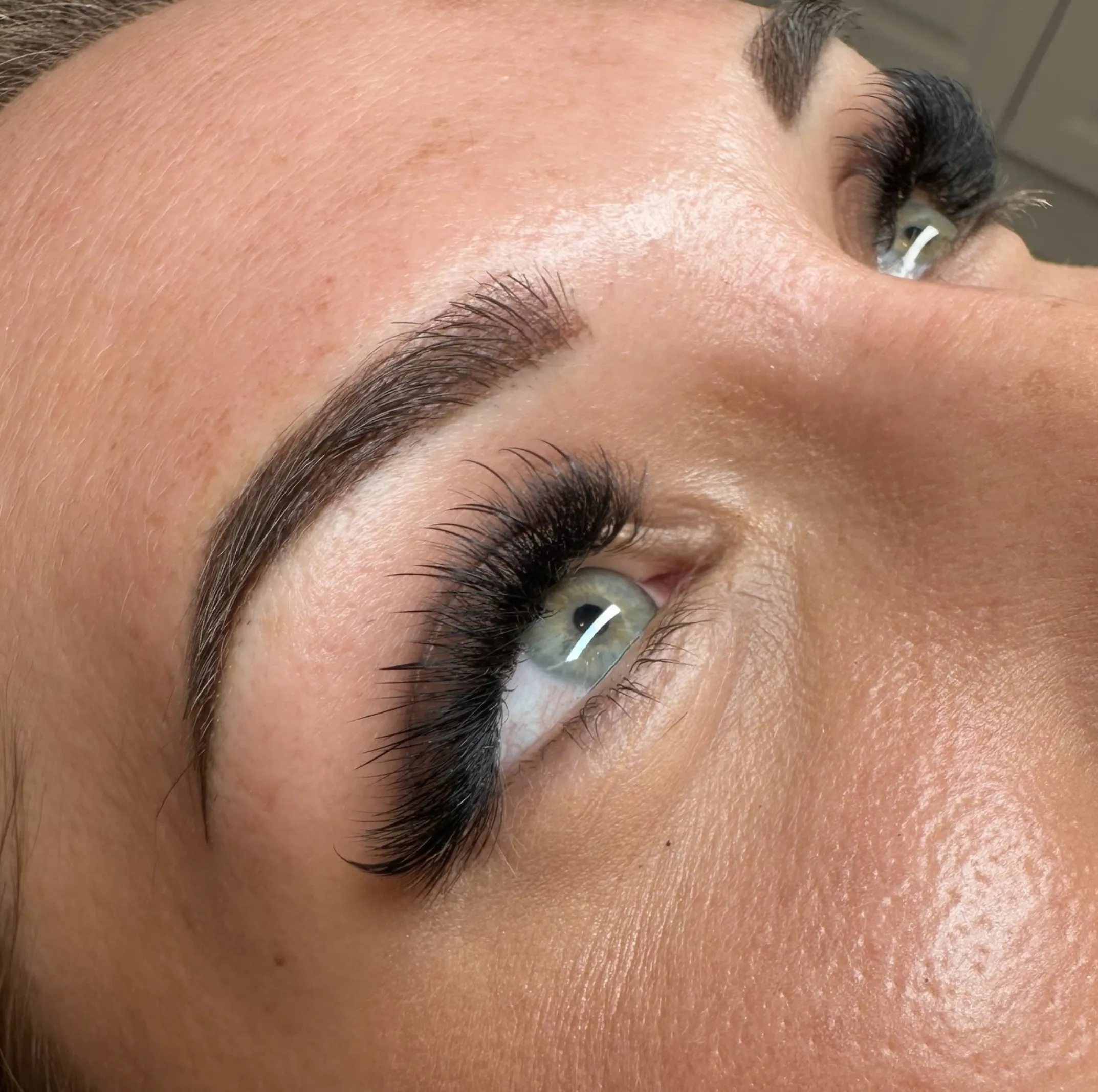
- Eyebrow tattoos (microblading, ombré, nano, combo)
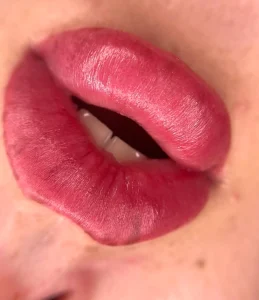
- Lip blush and lip liner tattooing
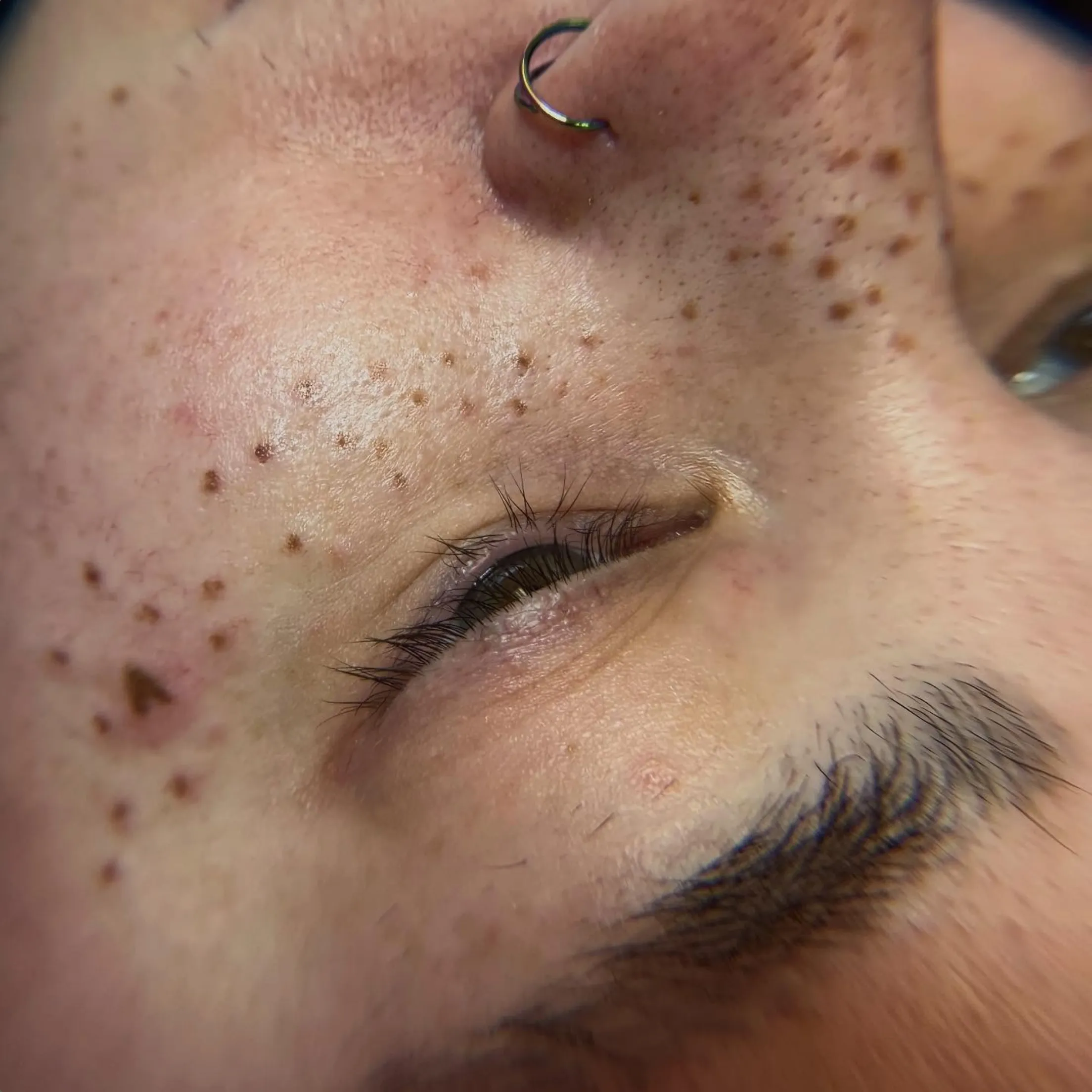
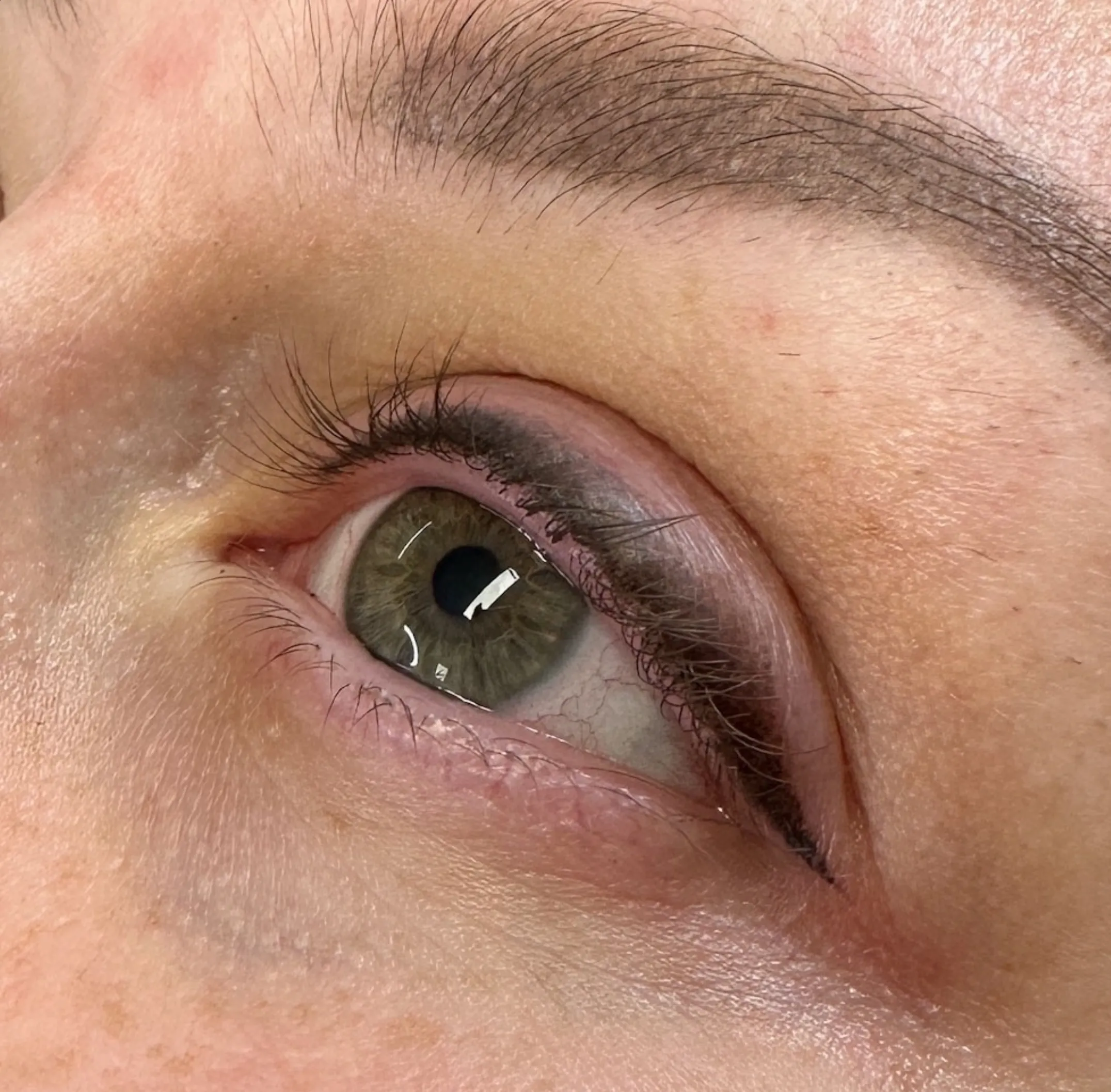
- Eyeliner tattoos
- Areola or scar camouflage
- Paramedical tattooing
- Cosmetic tattoo removal or correction
You’re working with semi-permanent pigments, specific needle configurations and digital tattoo machines designed for delicate areas. It’s not body art — it’s more like subtle enhancement with medical-grade hygiene standards and proper infection prevention protocols.
No Fluff
Here’s the reality: in Australia there’s no one national license to be a certified cosmetic tattooist. But you do need the right mix of:
1. Infection control training
To be legal you must complete HLTINF005: Maintain infection prevention for skin penetration treatments. This infection control unit is required in all Australian states and territories for anyone doing tattooing, including cosmetic tattooing.
2. Cosmetic tattoo training course
Choose a reputable training organisation that covers:
- Skin anatomy and wound healing
- Fitzpatrick skin types, skin undertones, and artificial skin simulation
- Machine safety, needle depth and skin penetration procedure protocols
- Pigment selection, pigment innovations and colour correction
- Practical hands-on training and hands-on experience on latex and live models
- Aftercare, consent forms, consultation techniques and business plan setup
Look for a course with:
- A nationally recognised provider (RTO)
- At least 5–10 days of in-person practical training
- Elective certificates and elective units for specialisation
- Ongoing support or mentoring after graduation
If you want personalised, hands-on training in Victoria, check out the courses at Cosmetic Tattoo Melbourne Studio Face Figurati — their courses produce confident, skilled artists ready for real clients.
3. Council registration and local health department approval
You’ll need to register your salon or mobile setup with your local council and meet their requirements for hygiene practices, waste disposal, council inspections and proper hygiene facilities. They may inspect your premises before giving approval.
How Long Does It Actually Take?
Let’s break it down:
| Stage | Time Investment |
|---|---|
| Infection Control Unit | 1 day online or in person |
| Foundation Course | 5–15 days, depending on course scope and study options |
| Portfolio Building | 3–6 months (recommended before charging full price) |
| Council Registration | 2–4 weeks (varies by location) |
You can technically start doing treatments in a month — but real talk? If you want happy clients, consistent client satisfaction and healed results you’re proud of you’ll need to keep training, build your practical experience and refine your artistic skills on real life clients slowly and ethically.
What skills do you actually need?
There’s more to this than just a steady hand. Here’s what separates great cosmetic tattooists from the rest:
- Understanding of facial symmetry and facial structures
- Patience and attention to detail (perfectionists do well here)
- Client communication and client care skills — managing client expectations is half the job
- A thick skin for feedback (some brows will heal patchy. It’s part of the process.)
- Commitment to hygiene and infection control standards — this isn’t optional
- Strong grasp of colour theory and cosmetic procedures
- Digital machine maintenance and upgrades
At Cosmetic Tattoo Melbourne, we place a big emphasis on building both the creative and practical sides of your cosmetic tattooing skills — because a balanced artist is a successful one.
You’ll also need to budget for your setup:
- Cosmetic tattoo kit and digital machine + needles: $1,500–$3,000
- High-quality pigments and pigment range: $500–$1,000
- Latex skins and class models for practice
- Disposable tools, PPE, insurance and council fees
Industry trends and earning potential in 2025
According to 2025 beauty industry stats, cosmetic tattoo is one of the fastest growing beauty services in Australia. The cosmetic tattooing industry is booming due to the demand for low maintenance beauty routines and permanent makeup solutions — especially among busy professionals, new mums and clients with hair loss or medical conditions.
Average earnings:
- New artists (freelance or mobile): $150–$300 per treatment
- Studio-based artist: $400–$700 per brow/lip/eyeliner tattooing session
- Experienced artist or trainer: $1,000+ per day
Graduates of a thorough cosmetic tattooing course, especially those with support from a studio like Cosmetic Tattoo Melbourne Studio Face Figurati, often enter the industry with a competitive edge and confidence in their cosmetic tattooing career.
Beauty professionals with a strong portfolio, great healed results, an engaging online presence and industry experience can earn six figure incomes in 1–2 years — but it takes time, advanced skills, great service and continuous learning to get there.
Myths to ignore when starting out
Let’s get a few things straight:
- “You don’t need proper training, just practice on friends” — False (and dangerous)
- “It’s easy money” — Nope. You’re responsible for someone’s face.
- “You can just copy what other artists do online” — No. Every skin type is different. What works for one face won’t work for the next.
If you’re going to take up space in this industry, do it with integrity and industry standards.
A Day as a New Cosmetic Tattooist
Your first year will look like:
- Doing model procedures for free or low-cost in exchange for healed results photos
- Spending hours practicing on latex skins and rewatching online content and training demos
- Buying new pigments and advanced techniques tools as you test what works
- Tweaking your brow tattoos and shapes dozens of times before you’re satisfied
- Slowly building your confidence, consultation techniques and essential skills one client at a time
And eventually…
- Booking out weeks in advance
- Creating content for future clients
- Having dream clients who trust your vision
- Getting DMs asking about your cosmetic tattoo course instructors and business ventures
Final thoughts
If you love natural beauty, skin, art, people and the beauty industry — and you’re not afraid of pigment, pressure and perfect skin obsession — cosmetic tattooing could be your next chapter.
But only if you’re in it for the long game. For building trust, treating clients with respect and continually refining your cosmetic tattooing career with real clients and real results.
And if you’re serious about doing it right, booking a cosmetic tattooing course with a studio like Face Figurati is a smart first step.
FAQ
Do I need a tattoo license to do cosmetic tattooing in Australia?
No. You need to do infection control training and follow your state’s health regulations. Each council has its own approval process and registration process for premises.
Can I do cosmetic tattooing from home?
Yes — but only if your home setup meets your local council’s hygiene, waste disposal and room separation requirements. Council inspections are usually required.
What’s the difference between microblading and machine brows?
Microblading uses a manual tool with tiny blades to create hair strokes. Machine brows use a digital device — better for mature skin, sensitive skin types and generally longer lasting.
How do I choose a good cosmetic tattoo course?
Look for in-person training with live class models, hands-on training, experienced trainers and a strong focus on colour theory, healing and online theory support. Avoid cheap all-online options.
What’s the biggest mistake new artists make?
Rushing. Into eyeliner tattooing, into offering facial treatments before mastering the basics, or thinking they’re ready before they are. Take your time, get feedback and focus on fundamental skills before offering cosmetic tattooing services.