So you turn up to Kata Tjuta with your camera and water bottle, and then the next big question is: is there a café? I’ll save you the guesswork — no, there isn’t a flat white waiting for you at the trailhead. But that doesn’t mean you’ll go hungry or coffee-deprived if you plan smart. I’ve spent more than a few mornings chasing shade and caffeine in the Red Centre, so here’s the honest lowdown.
Contents
- 1 What You’ll Actually Find on Site
- 2 Where to Get Food and Coffee Nearby
- 3 Handy Table: Food & Drink Access
- 4 BYO Strategy
- 5 Coffee and Heat Don’t Always Mix
- 6 Respecting Anangu Culture While You Snack
- 7 Alternatives to a Café: Make Your Own Moments
- 8 What to Forget to Pack
- 9 Tours and Red Centre Adventures
- 10 The 2025 Traveller Trend: Coffee Anywhere, Anytime
- 11 Final Reflection: The Real Takeaway
- 12 FAQ
What You’ll Actually Find on Site
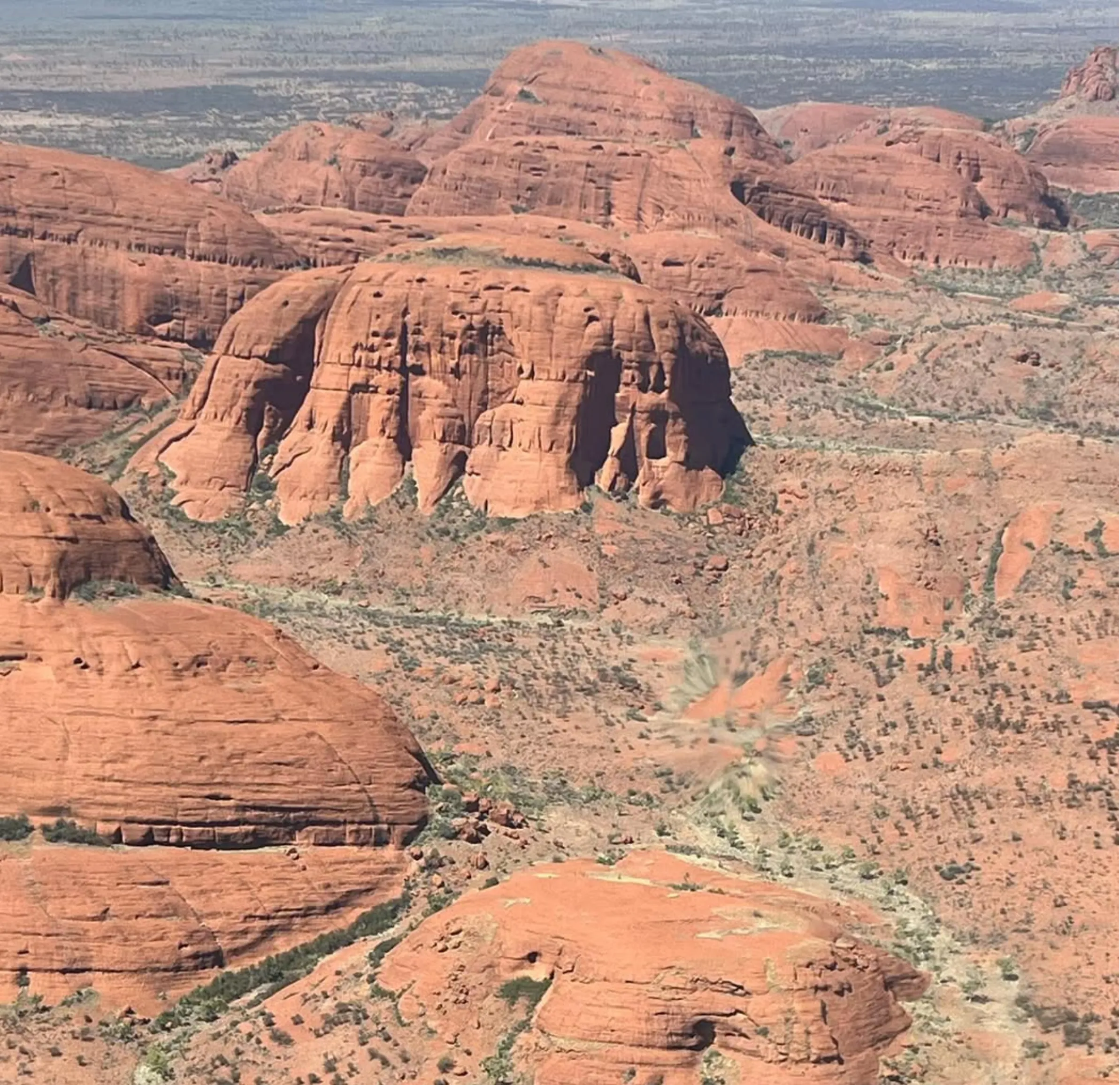
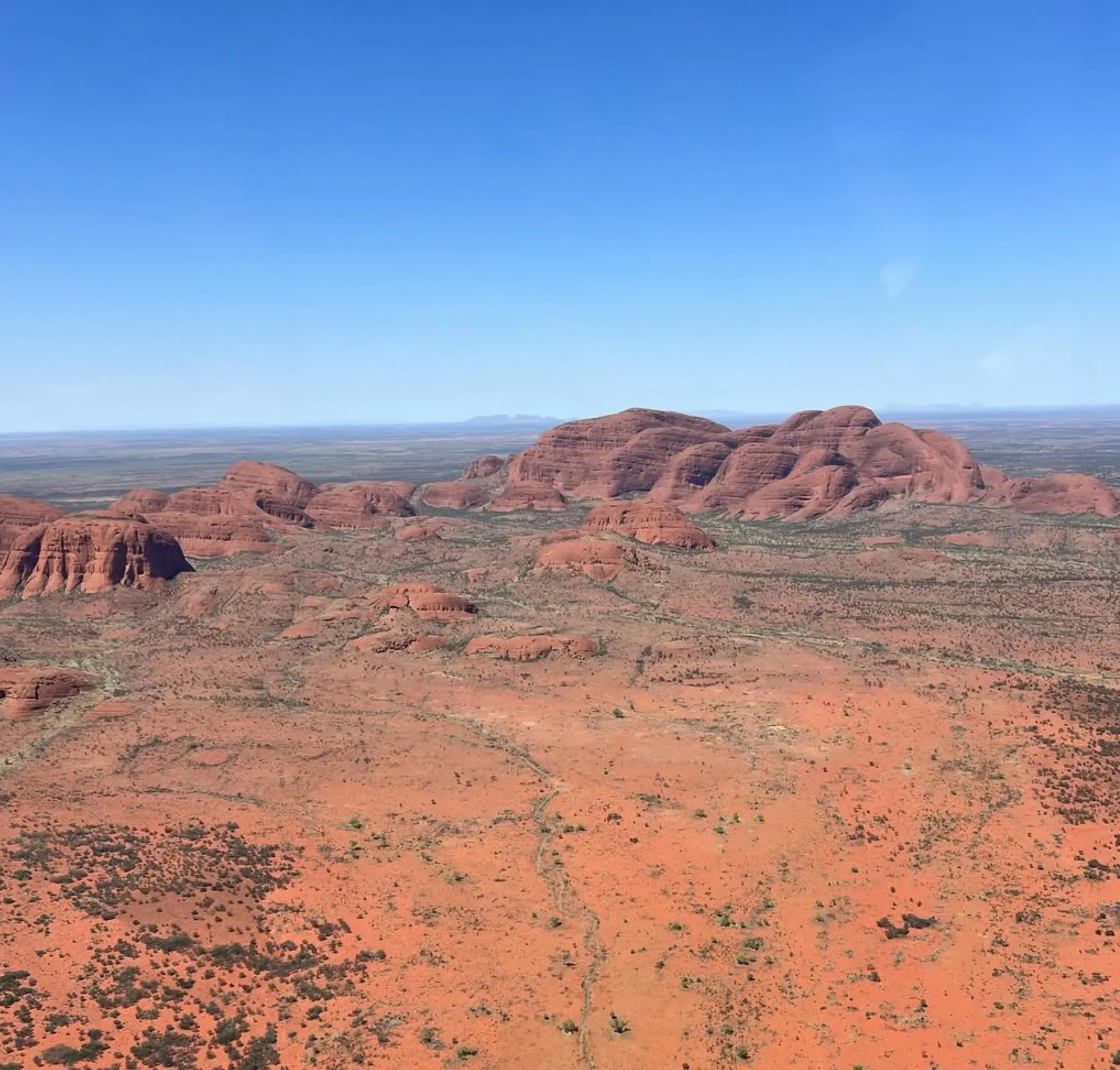
When you get to Kata Tjuta (also called the Olgas), you won’t find a café, bakery or barista van. Facilities are basic — think carparks, toilets, water refill stations and signage about respecting Country. That’s deliberate. The site is protected land under Anangu care, and the focus is on cultural and environmental preservation. If you’re after smashed avo on sourdough or freshly brewed coffee, it belongs back in Alice Springs or Yulara.
Facilities you’ll find:
- Toilets at main carparks
- Picnic tables at designated areas
- Water refill taps (limited)
- Shade shelters near walking track entries
Facilities you won’t find:
- Cafés or restaurants
- Shops or vending machines
- Public BBQs
When I first hiked the Valley of the Winds track in October, I quickly realised the only espresso in sight was the imaginary one I promised myself back in Yulara. Lesson learned.
Where to Get Food and Coffee Nearby
The closest actual café action is back in Yulara, the resort township about 45 minutes from Kata Tjuta. That’s where you’ll find your lattes, all-day breakfasts and even bush tucker-inspired cuisine that uses Australian and native ingredients.
Yulara (Ayers Rock Resort): Multiple cafés and restaurants, open early for sunrise-goers. Hot meals, bakery treats and even Australian wine tastings are common here.
Uluru-Kata Tjuta Cultural Centre: No café but a shop with drinks, packaged snacks, retail outlets and hand-painted designs from local artists. You can also join a cultural workshop or see documentary films about the landscape and Traditional Owners.
Alice Springs: 5+ hours away, so don’t bank on it for your morning caffeine hit.
Handy Table: Food & Drink Access
| Location | Distance from Kata Tjuta | Food/Coffee Options |
| Kata Tjuta carparks | 0 km | None — BYO everything |
| Yulara (Ayers Rock Resort) | ~45 km (40–50 mins) | Cafés, bakeries, pubs, restaurants, all-day breakfast, bush tucker-inspired cuisine |
| Uluru-Kata Tjuta Cultural Centre | ~50 km | Packaged snacks, cultural workshop, retail outlets, hand-painted designs, Indigenous enterprise |
| Alice Springs | ~495 km (5.5 hrs) | Full town services, proper café culture, hot meals, and Australian wine |
BYO Strategy
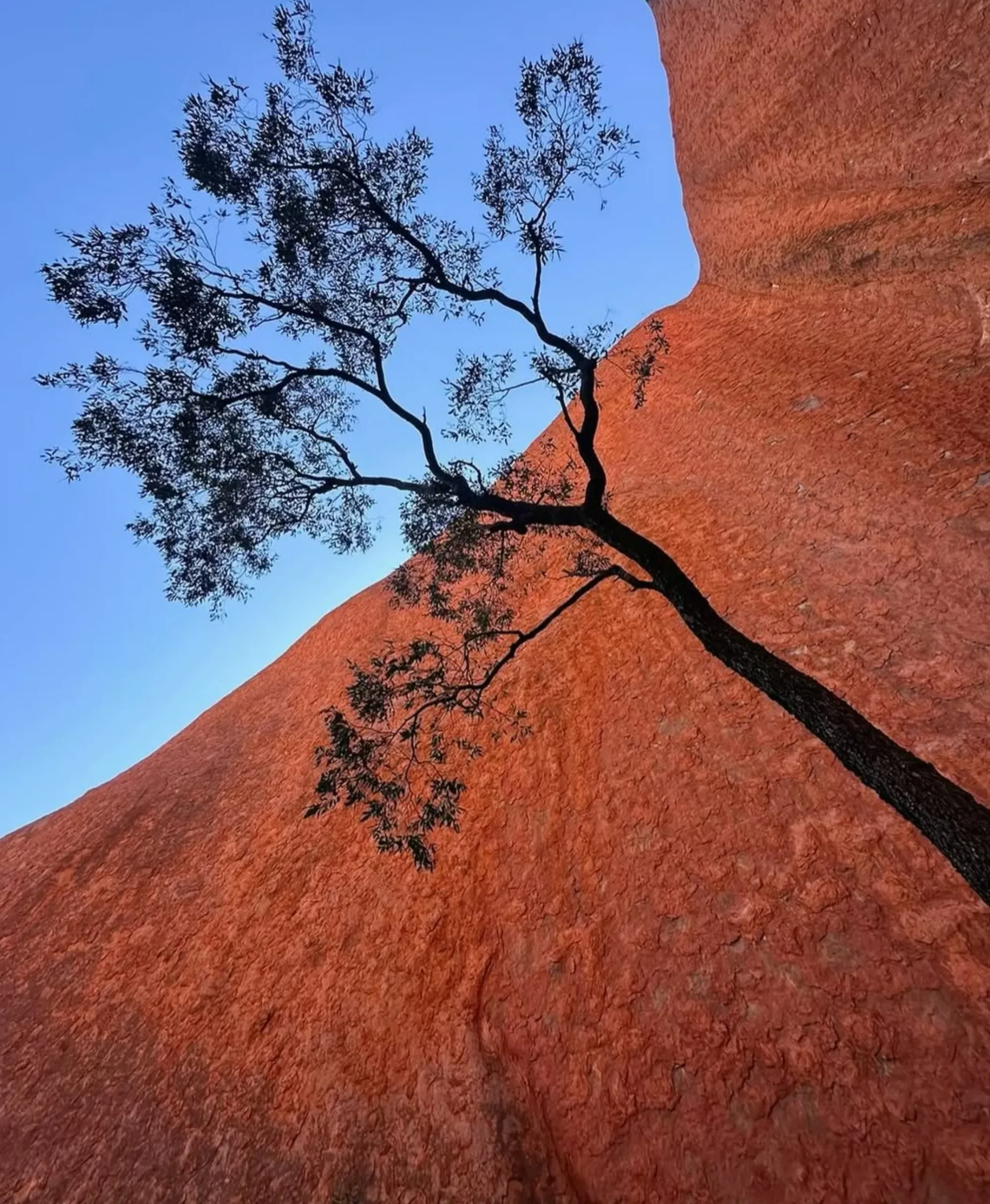
When heading to Kata Tjuta, the golden rule is: bring your own. Pack an esky, load up on snacks from Yulara’s IGA and throw in more water than you think you’ll need. The heat is no joke — in summer, daytime highs regularly hit 40°C and dehydration sneaks up faster than a mozzie at dusk.
When I take groups out here with Get Lost Travel, we always do a gear-and-supplies check the night before. Here’s what I tell my travellers:
- Water: Minimum 3–4 litres per person for a half-day hike
- Snacks: High-protein, easy-to-carry — muesli bars, nuts, fruit
- Breakfast/lunch: Pre-packed sandwiches or wraps
- Treats: A thermos of coffee if you can’t function without it
- Cooler: Ice packs help keep fruit from turning to mush by 10 am
Coffee and Heat Don’t Always Mix
The dry season (May–September) makes life easier. Cool mornings mean you can nurse a thermos brew while watching the sunrise over the domes. Come the wet season (October–April), though, that same thermos will feel like a cruel joke. Heatwaves are common, and walking trails close after 11 am when temperatures hit 36°C.
In 2025, NT Parks data showed 37% of summer visitors cut their hikes short due to heat-related fatigue. Compare that with winter, when only 12% reported early turnarounds. Moral of the story? Plan your caffeine and calories around the climate.
Respecting Anangu Culture While You Snack
Kata Tjuta isn’t just another bushwalk. It’s sacred land for the Anangu people. Eating should only happen in designated areas — never on the tracks or near sacred sites. Bin your rubbish properly (or pack it out) and don’t treat the site like a picnic ground. When I sit with groups at a rest shelter, I remind everyone: this isn’t your backyard BBQ, it’s Country with deep cultural law.
Alternatives to a Café: Make Your Own Moments
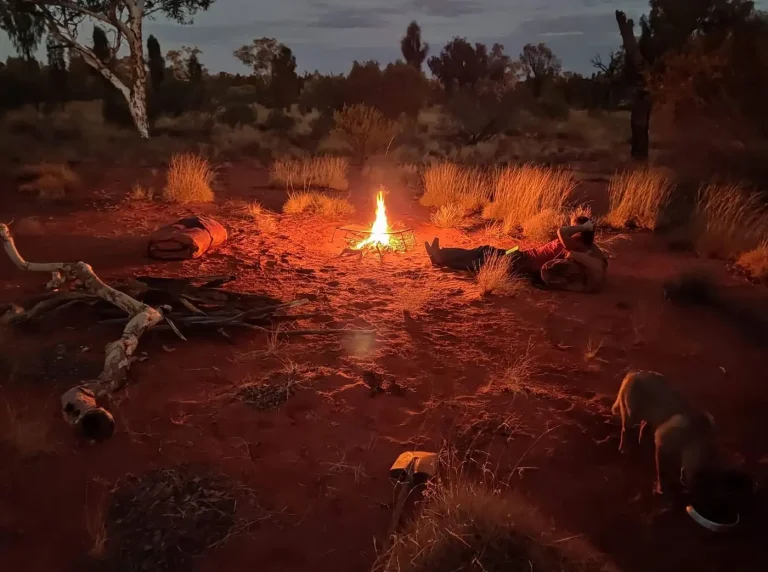
Since there’s no café at Kata Tjuta, you’ve got two choices: moan about the lack of flat whites or get into the off-grid vibe. I love brewing a billy tea at the campground or sharing fresh damper before sunrise tours. It keeps the experience grounded and connected to the land.
Some practical swaps:
- Brew your own coffee at your accommodation before you leave
- Carry an AeroPress or stovetop moka pot if you’re camping
- Share a bush tea experience on a guided cultural workshop or Indigenous enterprise Uluru tour
- Hit Yulara for a cold beer, Australian wine or a hot meal instead of chasing cappuccinos in the heat
- Join an astronomy lesson or watch documentary films at the resort for a different kind of evening pick-me-up
What to Forget to Pack
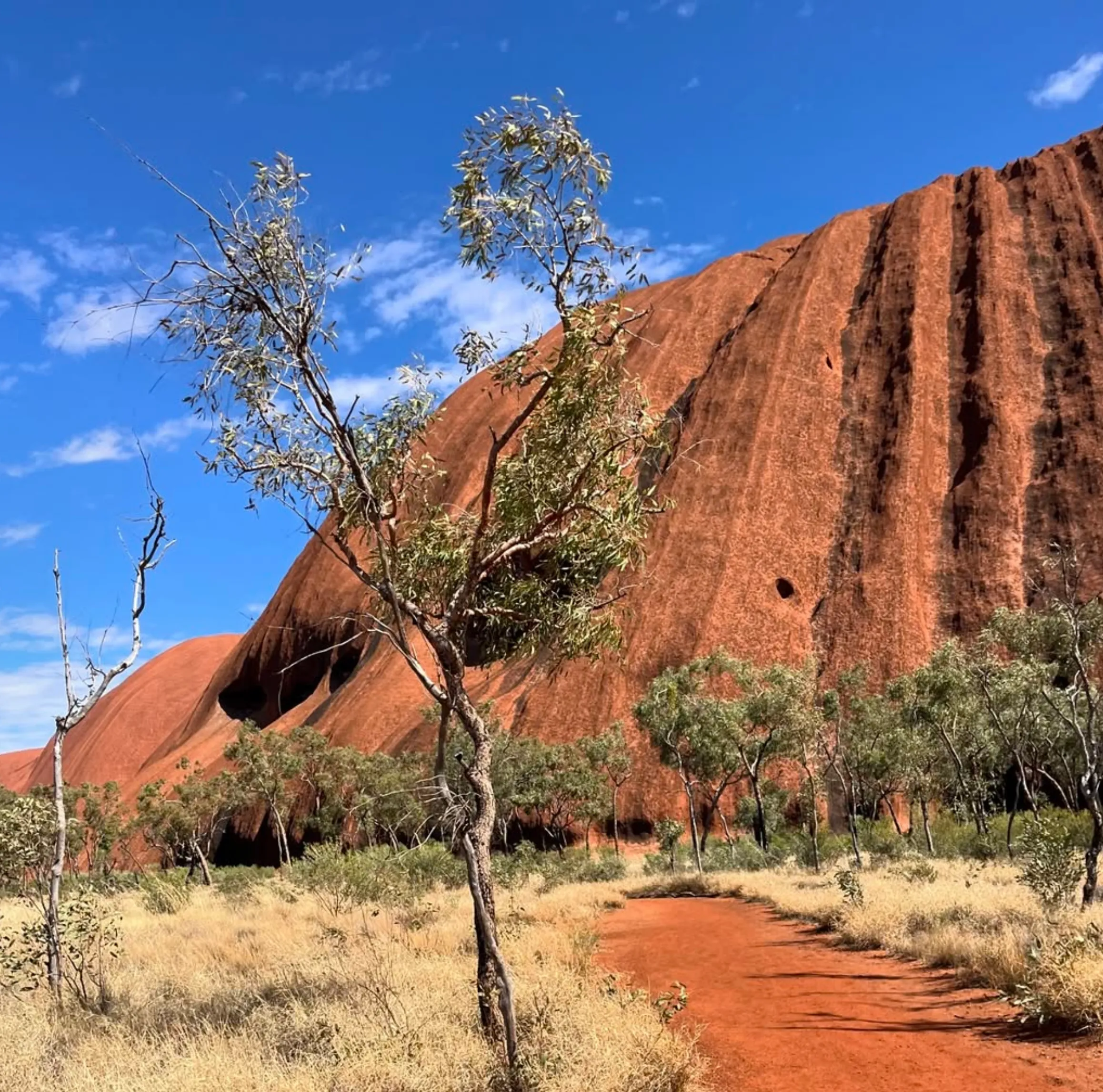
I’ve lost count of how many people turn up with brand new hiking boots and no hat. The café question often hides bigger oversights. Here’s a checklist I swear by:
- Wide-brim hat (the sun here is fierce)
- Reusable water bottles or hydration pack
- High-SPF sunscreen
- Sturdy shoes (tracks are rocky, uneven)
- Fly net (trust me, you’ll thank me)
- Snacks that won’t melt into soup
- Head torch (if you’re chasing sunrise)
Tours and Red Centre Adventures
Most people don’t just visit Kata Tjuta — they bundle it into a wider Red Centre trip. Uluru tours often include sunrise at Uluru, a Kata Tjuta hike and cultural experiences led by Anangu guides. Companies like Autopia Tours make it easy to combine the highlights, whether you want a short trip or a longer journey. A 4 day Uluru tour is a great way to balance the walks at Kata Tjuta with time at Uluru and Kings Canyon.
If you’re flying in, an Uluru tour from Alice Springs gives you a straight shot down the Stuart Highway with full cultural and natural immersion.
For those who like sleeping under the stars, an Uluru camping tour lets you feel the desert night sky in all its glory — far better than any hotel lobby. Whatever your style, Uluru tours make sure you don’t miss the full spectrum of what this region has to offer.
The 2025 Traveller Trend: Coffee Anywhere, Anytime
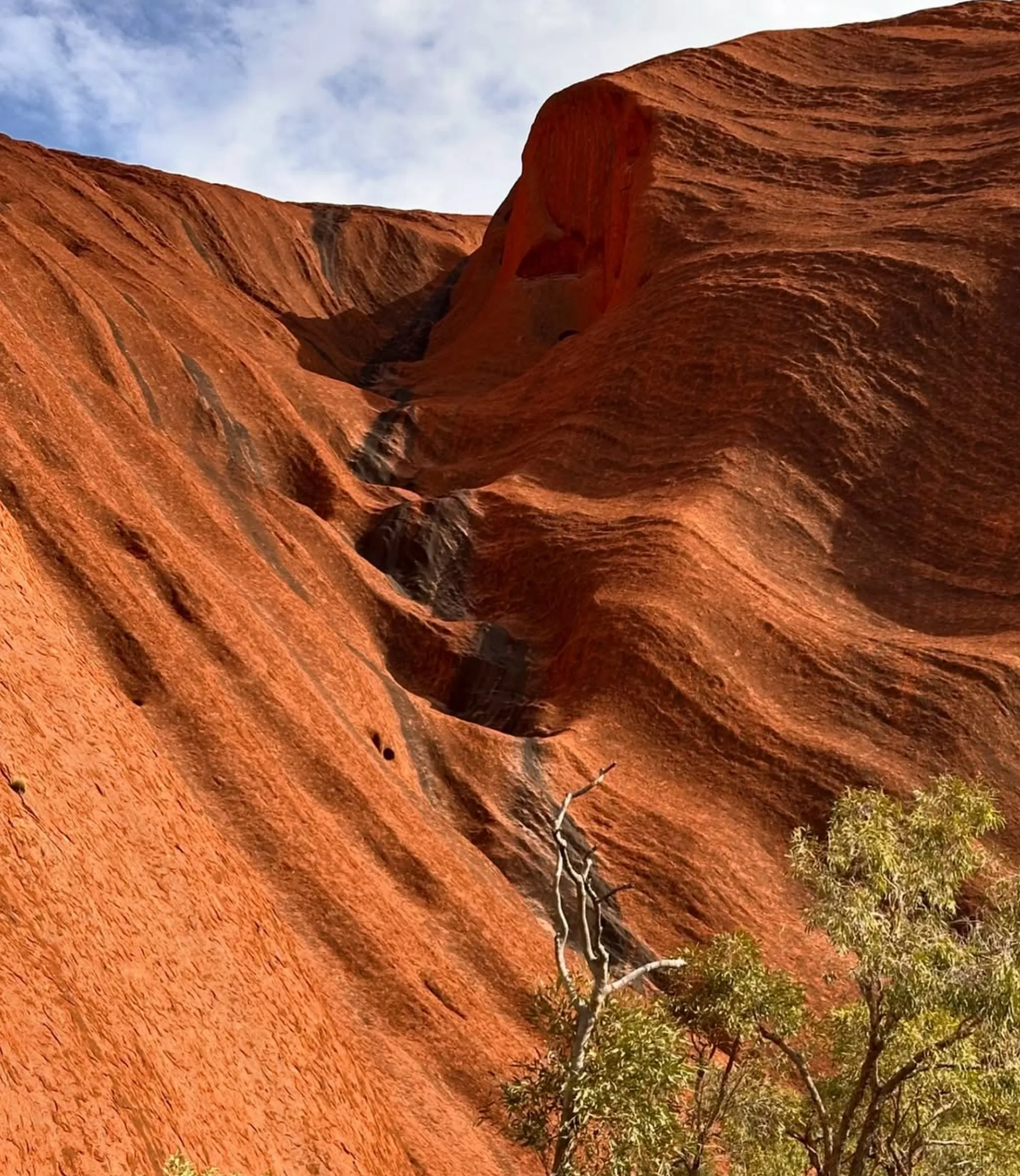
Tourism research out of Tourism Research Australia in 2025 showed a 14% increase in travellers carrying their own portable coffee gear compared to 2023. The rise of compact espresso makers, bush tucker-inspired portable food kits, and battery-heated kettles means caffeine addicts no longer need to rely on cafes in remote areas. This “coffee anywhere” trend mirrors the boom in self-sufficient travel gear — solar chargers, compact fridges and satellite comms all made it into the top 5 gear sales last year.
Final Reflection: The Real Takeaway
So, is there a café at Kata Tjuta? Nope — and that’s the point. This isn’t a place where you grab a latte between hikes. It’s a landscape that strips everything back to basics: water, shade, respect, and planning. If you can survive a morning without a barista, you’ll find something better than coffee here — a deeper connection to Country. And when you finally sit in a café chair back in Yulara, with hand-painted designs around you or after an astronomy lesson, that flat white will taste like the best you’ve ever had.
Written by Paul Beames
FAQ
Can I buy coffee or food at Kata Tjuta itself?
No. There are no cafés, restaurants or vending machines. Bring it all with you.
Where’s the closest place to get a decent meal?
Yulara, 45 minutes away, has cafés, restaurants, hot meals, all-day breakfast and bush tucker-inspired food.
Are there picnic areas where I can eat?
Yes. There are picnic tables near the carparks and trailheads, but stick to designated areas.
Can I eat on the walking tracks?
No. Out of cultural respect, don’t eat on the tracks. Use designated areas instead.
What’s the best way to stay caffeinated during a Kata Tjuta visit?
Make your coffee at your accommodation, carry a thermos or embrace bush tea on tour. Then celebrate with freshly brewed coffee or a glass of Australian wine back in Yulara.