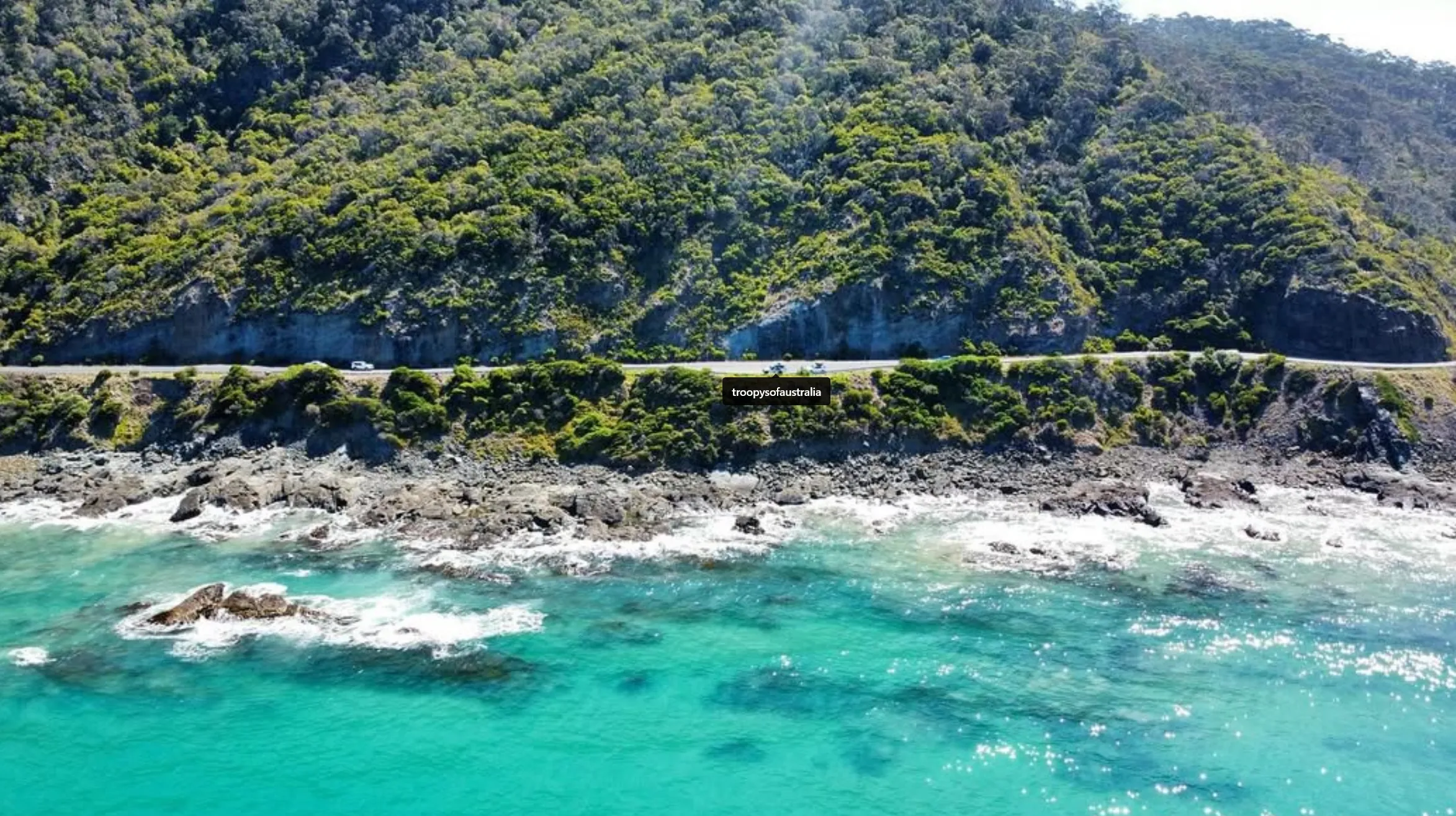
The Great Ocean Road in Australia is one of the most breathtaking coastal drives in the world. With its stunning ocean views, winding roads, and iconic landmarks such as the Twelve Apostles, it’s a must-visit for travellers. This famous coastal road takes visitors through dramatic coastlines, beautiful beaches, and seaside towns, offering incredible views of rock formations and limestone stacks. However, this scenic route also presents certain risks, particularly for those unfamiliar with its sharp turns and unpredictable weather conditions.
Contents
The Beauty and Challenges
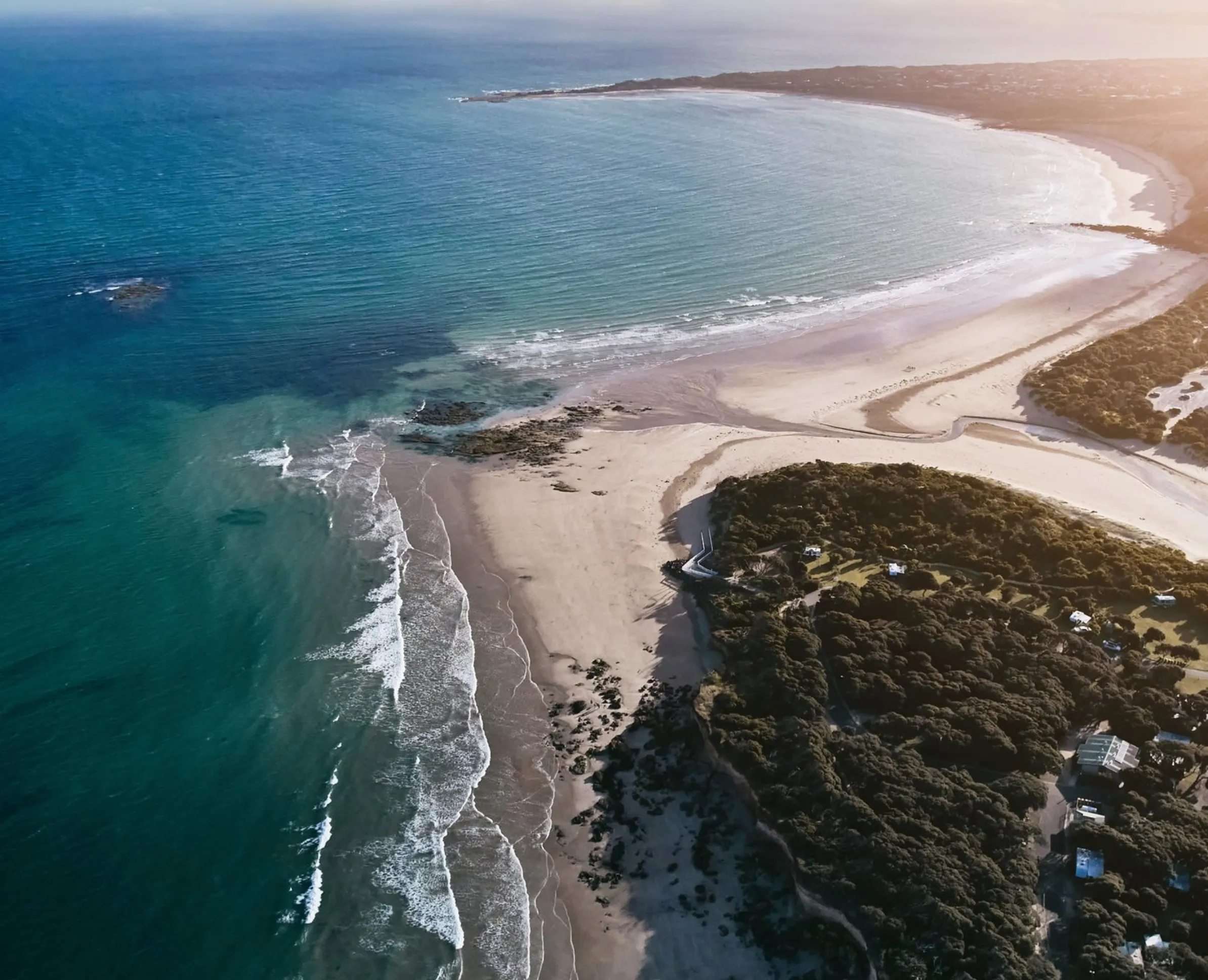
The Great Ocean Road is an iconic road trip destination, attracting thousands of visitors each year. As one of the most scenic coastal drives in the world, it stretches over 240 kilometres along the Australian coast, passing through surf coast landscapes, coastal towns, and lush rainforests. The route is famous for its stunning beaches, natural wonders, and incredible views of the rocky coastline. Visitors often stop at various seaside towns to explore local attractions, including visitor centres, redwood forests, and impressive waterfalls.
Many travellers choose a Great Ocean Road tour from Melbourne to experience the breathtaking landscapes without the stress of driving. Guided tours provide insightful commentary and ensure that visitors can fully immerse themselves in the scenery while stopping at key attractions.
However, while the road is a dream for adventurers, it also presents challenges for drivers. Winding roads, cliff tops, and unpredictable weather can make driving difficult, especially for overseas visitors unfamiliar with Australian road conditions. Although many tourists complete the drive without issue, accidents do happen, and certain precautions should be taken to ensure a safe journey.
Incidents Along the Road
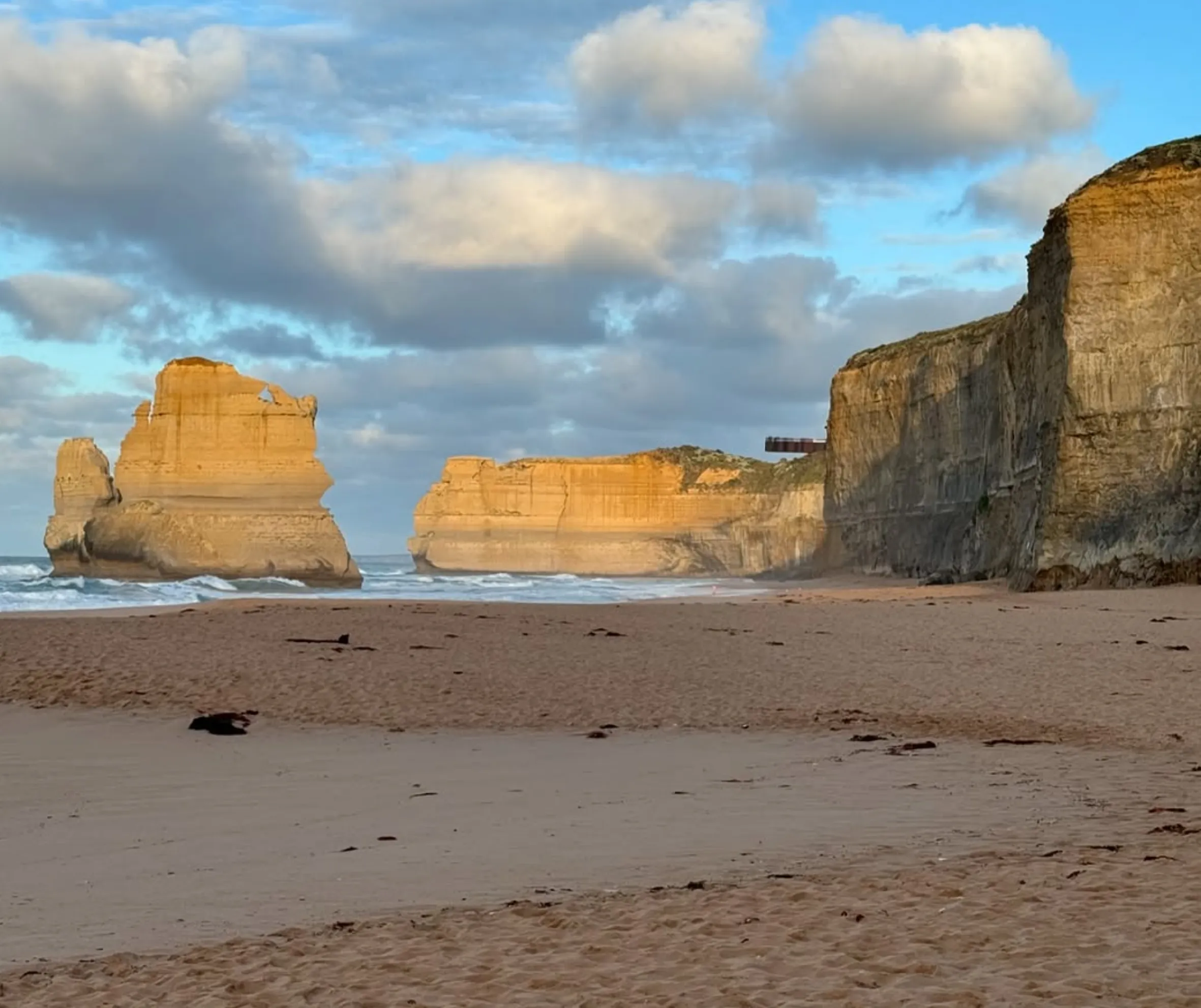
Over the years, there have been multiple reports of vehicles veering off the road. While accidents on this iconic road trip are not exceedingly common, they do happen, often due to factors such as:
- Driver Inexperience – Many visitors, especially overseas visitors, may not be accustomed to driving on the left side of the road or handling sharp bends.
- Distractions – The mesmerizing coastal scenery, stunning beaches, and lush rainforest can cause drivers to lose focus.
- Weather Conditions – Sudden rain, fog, or strong winds can make the road slippery and reduce visibility.
- Speeding and Reckless Driving – Some drivers underestimate the road’s challenges and take turns too quickly.
Notable Accidents and Safety Measures
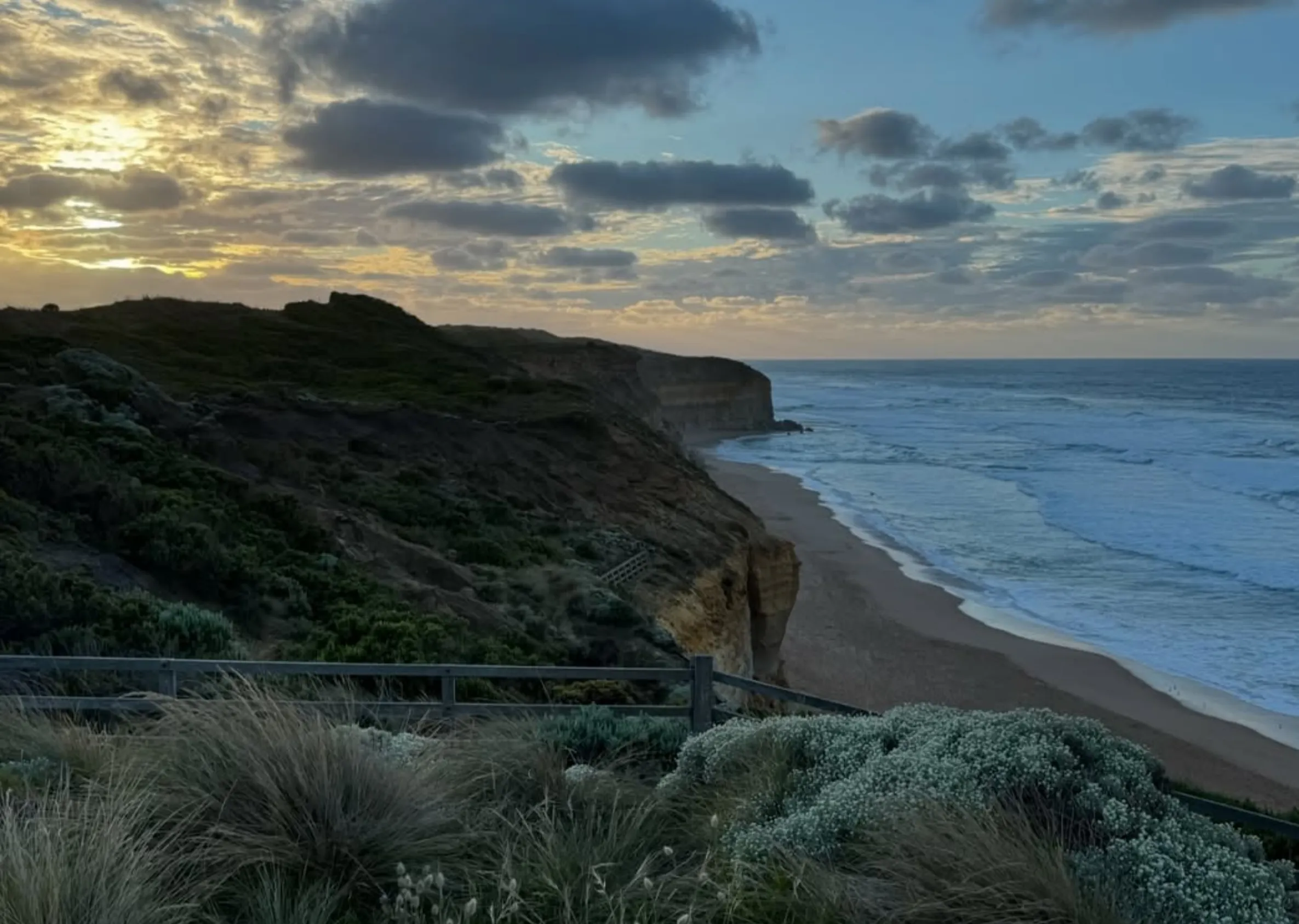
Most accidents on the Great Ocean Road result in minor damage but some vehicles have gone off the road. Emergency services attend the scene and cars slide into embankments or off cliff tops. In some cases angle rescue teams are required. Road authorities have installed guardrails and warning signs at the most dangerous spots to prevent this from happening.
If you want to have a more relaxed experience a 2 day Great Ocean Road tour allows you to take your time to visit the attractions and make sure drivers are well rested and safe.
The road has a series of steps to lookout points where you can safely take in the views of the rock formations, limestone stacks and the ocean. There are also many roadside pullovers where you can stop and take a break and enjoy the views.
How to Stay Safe
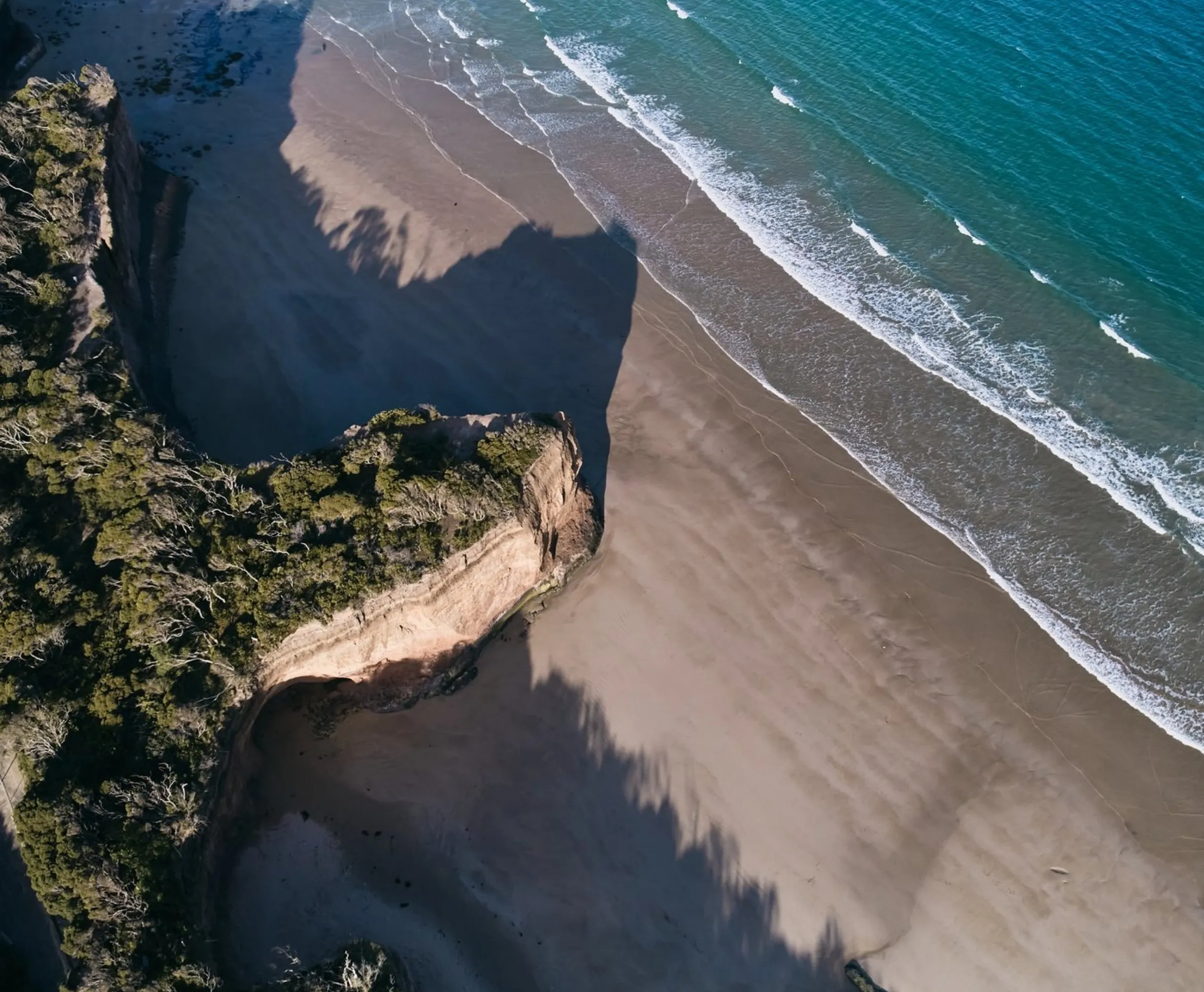
If you’re planning a road trip on this magnificent route make sure safety is number one. Here are some tips:
- Drive Slow and Cautious – Stick to the speed limit and be aware of the sharp turns on the rocky coastline.
- Stay Alert and Focused – No mobile phones or staring at the views for too long while driving.
- Plan for the Weather – Check the forecast before you go and be prepared for sudden changes.
- Take Breaks – Fatigue can impede reaction time so stop at designated areas to rest and enjoy the beaches safely.
- Respect Local Traffic Rules – Follow the signs and be aware of other drivers, cyclists and wildlife crossing the road.
You can also take an inland road or visit a nearby coastal town to have a break. The road trip has many options for exploration – waterfalls, eucalyptus trees, and ancient rainforests. Whether you’re stopping for ice cream at a visitor centre, hiking a return trail to a waterfall or admiring the views from the series of steps to a viewpoint there’s always something to see on this drive. If you’re driving the whole way, stopping at seaside towns along the route can add to the experience. Many people take a 5-minute walk from designated parking areas to the lookout or historic sites such as the largest war memorial on the Australian coast. Whether you have an hour or a Great Ocean Road 2-3 day tour has it all.
Popular Attractions and Safety Tips
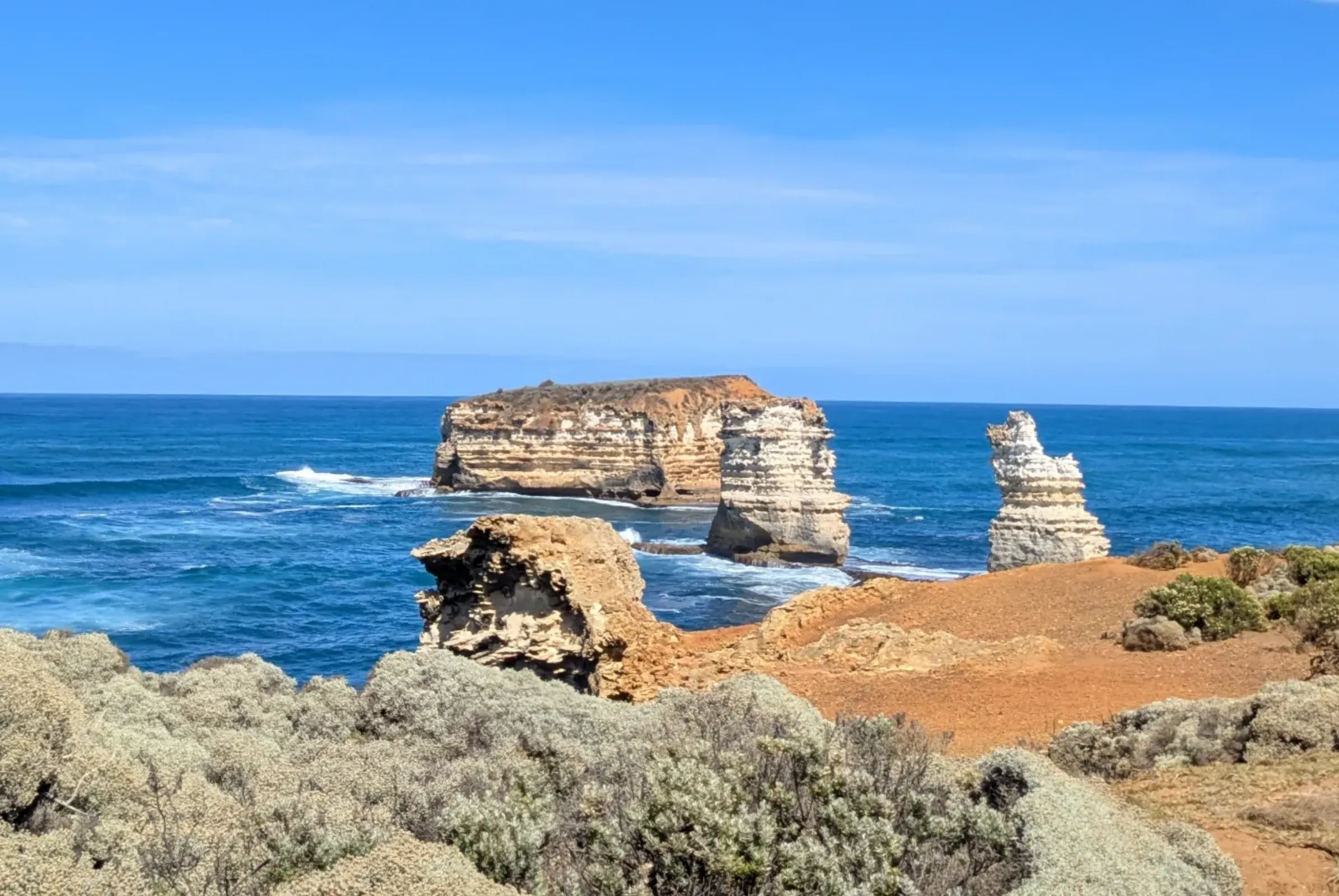
The Great Ocean Road has so many attractions and photo opportunities. Make sure to:
- Twelve Apostles – Famous limestone stacks. Many people take a 12 Apostles tour so they don’t miss this natural wonder.
- Loch Ard Gorge – A pretty bay with beautiful beaches and rock formations.
- Otway National Park – Lush rainforest with redwood forests and waterfalls.
- Apollo Bay – A charming seaside town with local food and beaches. Stopping in Apollo Bay is a great way to break up the drive and enjoy fresh seafood or a walk along the beach.
- London Bridge Rock Formation – A natural wonder on the rocky coast.
If you’re looking for adventure, there are plenty of animal encounters – wild animals in the rainforest, surfers on the surf coast. Drive time will vary depending on stops but always allow extra time to enjoy the views safely.
By following these tips you’ll have a safe and amazing journey on one of Australia’s most scenic roads.
FAQ
Is the Great Ocean Road dangerous to drive on?
The road is safe if you follow the speed limits and stay focused. However, sharp turns, changing weather and distracted driving can be risky especially for overseas visitors.
How many cars go off the Great Ocean Road?
While it does happen, it’s not common. Most accidents are minor crashes or cars slipping into the embankment rather than falling off the cliff tops.
What if I break down on the Great Ocean Road?
If you break down, pull over safely, turn on your hazards and call roadside assistance. There are rest stops, seaside towns and small coastal towns along the way where help is available.
Are there barriers on the road to stop cars from going off?
Yes, there are guardrails and warning signs at high risk areas along the rocky coast to make it safer.
Can I drive the Great Ocean Road at night?
You can but not recommended if you’re not familiar with the road. Limited street lighting, wild animals and windy roads make daytime driving a better option. The daylight drive time gives you the opportunity to see the rock formations, sandy beaches and the largest war memorial along the Australian coast.